
Your eyes for a lifetime — we'll be the most trusted and reliable specialists by your side
Shinsegae Eye Disease
Scroll

From deep inner-eye conditions to the beauty around themcomplete care in a single place
For dry, fatigued eyes — precise diagnosis and a structured intensive-care program restore moist, comfortable daily life




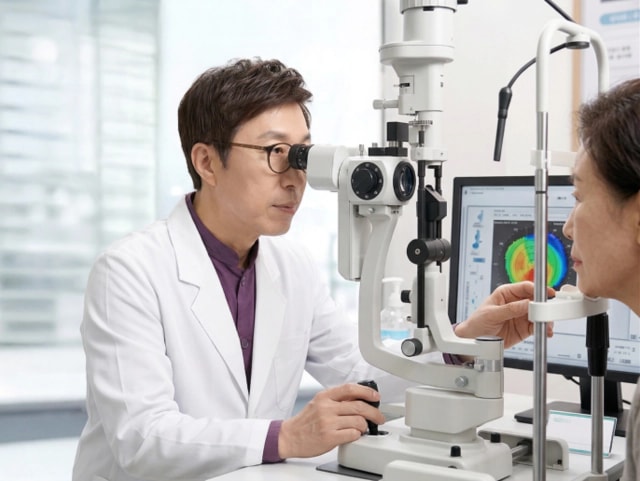
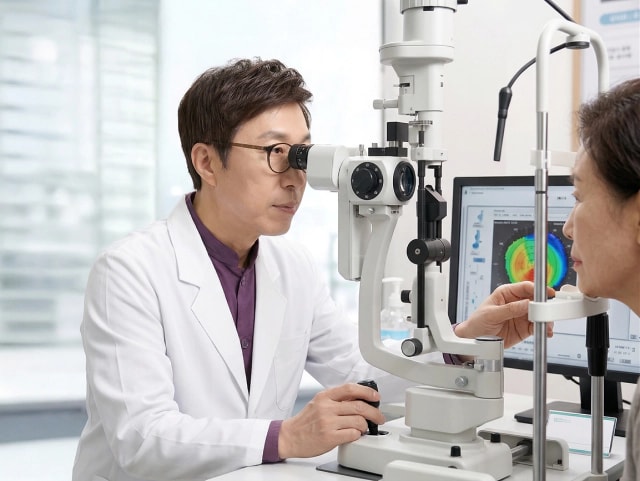
Comprehensive Eye Exam
The surest habit for protecting your eye health
Eye problems are hard to notice on your own
Conditions like glaucoma, macular degeneration and diabetic retinopathy show almost no early symptoms, so regular exams are essential
Shinsegae Eye Clinic uses a systematic examination program to catch even the smallest changes in your eye health
Why a comprehensive eye exam is essential
Eye disease can progress even without symptoms
- Glaucoma, macular degeneration and the like show few early symptoms
- The risk of eye disease rises after age 40
- Diabetes and high blood pressure can raise the risk of retinal disease
- Regular exams help with early detection and treatment
What can a comprehensive eye exam reveal?
Beyond vision, we precisely examine the eye's key structures — cornea, lens, retina and optic nerve —
to comprehensively assess your current eye condition and any potential disease
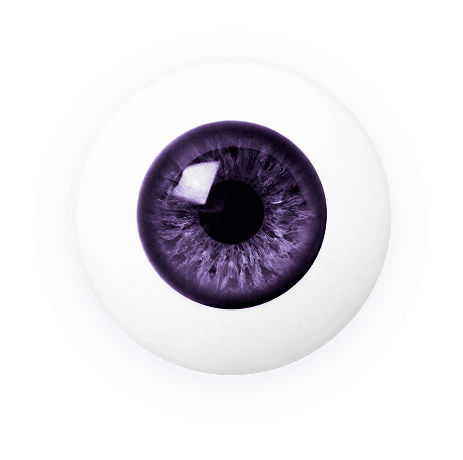

Visual acuity & refraction

Glaucoma risk factors

Retinal abnormalities

Macular degeneration

Damage & glaucoma risk

Cornea & surface health
Gwangju Shinsegae Eye Clinic Comprehensive Eye Exam Program
We comprehensively assess your eye health through a range of precision examinations
and provide personalised diagnosis and care plans
| Corneal endothelium | Corneal thickness | Corneal topography | Wide-field fundus |
| Refraction | Tear secretion | Pupil dilation | Pupil size |
| Slit-lamp | Visual acuity | Intraocular pressure | Dominant eye |
| Ultrasonic pachymetry |
Recommended Eye Exams by Age
Eye care that changes with each stage of life