


Shinsegae ICL
Official partner of STAAR Surgical
Over 5,000 EVO+ ICL clinical cases
Shinsegae Premium ICL
Stable with no corneal ablation, our one-stop system delivers high-definition vision correction completed in just one day
Experienced specialists skilled in both anterior and posterior lens implant surgery support you from surgical planning through thorough aftercare to help you regain clear vision in daily life
Experienced specialists skilled in both anterior and posterior lens implant surgery support you from surgical planning through thorough aftercare to help you regain clear vision in daily life

What is ICL surgery?
ICL (Implantable Collamer Lens) is
a surgery that corrects vision without corneal ablation,
by inserting a custom-made lens inside the eye
It preserves the cornea and crystalline lens as they are
It can also be performed when laser vision correction is difficult,
such as with extreme myopia or a thin cornea
You can expect clear vision and stable correction while minimizing corneal damage
a surgery that corrects vision without corneal ablation,
by inserting a custom-made lens inside the eye
It preserves the cornea and crystalline lens as they are
It can also be performed when laser vision correction is difficult,
such as with extreme myopia or a thin cornea
You can expect clear vision and stable correction while minimizing corneal damage

Why Shinsegae Eye Clinic for ICL?

Cornea preservation
With no corneal ablation,
there is less concern about dry eye and
side effects such as keratectasia are rare
Reversible surgery
If needed, removing the lens
restores the pre-surgery state,
offering peace of mind
Wide correction
Extreme myopia and astigmatism
beyond -18 diopters can also
be corrected stably
Outstanding visual quality
Less night glare and halos
provide a clear, crisp
field of vision
Types of implantable lenses
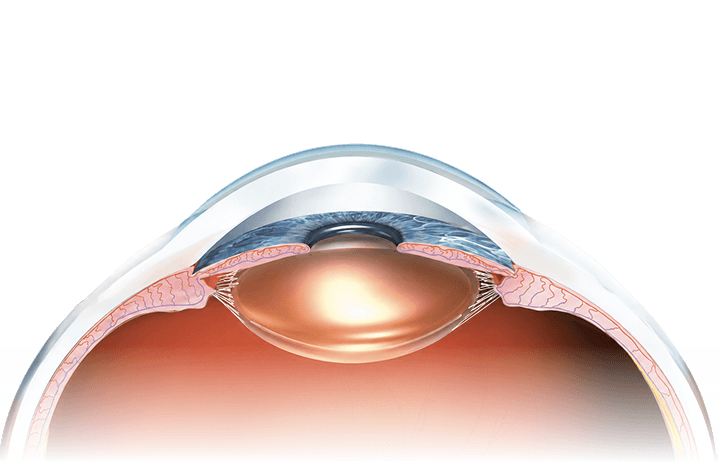 CorneaIrisLens
Anterior lens (Artisan, Artiflex series)
Implanted in front of the iris,
the lens is precisely fixated to the iris,
the firmest tissue inside the eye
the lens is precisely fixated to the iris,
the firmest tissue inside the eye
Cornea
Safely keeps the cornea's original thickness without any ablation
Style
Inserted through a micro-incision,
practically invisible to the naked eye
practically invisible to the naked eye
Benefit
Iris fixation prevents lens dislocation or rotation,
delivering outstanding long-term visual stability,
especially after high-astigmatism correction
delivering outstanding long-term visual stability,
especially after high-astigmatism correction
Artisan
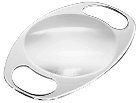
Artiflex
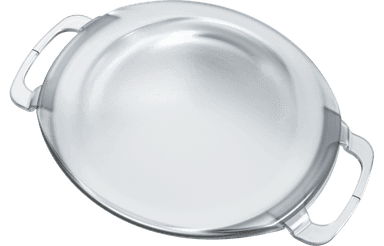
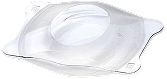
Posterior lens (EVO+ICL, V Toric ICL)
Implanted between the iris and the natural lens,
no iridotomy is required, so the entire screening
and surgery can be completed on the same day
no iridotomy is required, so the entire screening
and surgery can be completed on the same day
Cornea
Minimizes corneal nerve damage, lowering the risk of dry eye
Style
Positioned behind the iris,
completely invisible from the outside
completely invisible from the outside
Benefit
Minimal incision enables rapid recovery,
quick return to daily life, and the lens stays
safely protected from external impact
quick return to daily life, and the lens stays
safely protected from external impact
Evo+ Aqua ICL
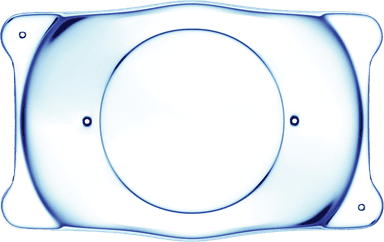
V Toric ICL
Anterior lens (Artisan, Artiflex series)
Implanted in front of the iris,
the lens is precisely fixated to the iris,
the firmest tissue inside the eye
the lens is precisely fixated to the iris,
the firmest tissue inside the eye
Cornea
Safely keeps the cornea's original thickness without any ablation
Style
Inserted through a micro-incision,
practically invisible to the naked eye
practically invisible to the naked eye
Benefit
Iris fixation prevents lens dislocation or rotation,
delivering outstanding long-term visual stability,
especially after high-astigmatism correction
delivering outstanding long-term visual stability,
especially after high-astigmatism correction
Artisan
Artiflex
Posterior lens (EVO+ICL, V Toric ICL)
Implanted between the iris and the natural lens,
no iridotomy is required, so the entire screening
and surgery can be completed on the same day
no iridotomy is required, so the entire screening
and surgery can be completed on the same day
Cornea
Minimizes corneal nerve damage, lowering the risk of dry eye
Style
Positioned behind the iris,
completely invisible from the outside
completely invisible from the outside
Benefit
Minimal incision enables rapid recovery,
quick return to daily life, and the lens stays
safely protected from external impact
quick return to daily life, and the lens stays
safely protected from external impact
Evo+ Aqua ICL
V Toric ICL
ICL surgery process
Who ICL is recommended for
01
Thin or weak cornea
No corneal ablation helps reduce the burden on your cornea
02
Severe dry eye
Minimizes corneal nerve damage, so dry-eye burden tends to be lower
03
Extreme myopia or astigmatism
High-power correction enables clear vision improvement
04
Large pupils at night
Helps reduce glare and night-vision discomfort
05
Want a safe, reversible procedure
A reversible vision correction—the lens can be removed if needed
Precautions after ICL surgery
1
Washing
From 3 days after surgery you may wash your face and bathe lightly, but
keep soapy water and shampoo out of your eyes
(public bath after 1 week / sauna, jjimjilbang after 2 weeks)
keep soapy water and shampoo out of your eyes
(public bath after 1 week / sauna, jjimjilbang after 2 weeks)

2
Makeup
Basic makeup is possible from 3–4 days after surgery;
powder and eyeshadow after 1 week,
mascara and eyeliner after 2 weeks
powder and eyeshadow after 1 week,
mascara and eyeliner after 2 weeks

3
Normal activity
From the day after surgery light activity is possible but avoid overexertion;
normal activity from day two is recommended
normal activity from day two is recommended

4
Going out
To protect your sensitive eyes from UV light after surgery,
wear protective glasses or sunglasses
wear protective glasses or sunglasses

5
Drinking
Drinking after surgery may cause inflammation, so
abstain for at least one week,
and avoid heavy drinking for about a month
abstain for at least one week,
and avoid heavy drinking for about a month

6
Swimming
Pools and places prone to eye infections are
allowed after 2 weeks
allowed after 2 weeks

7
Driving
Possible from the next day, but
be careful with night driving for 6 months
be careful with night driving for 6 months

8
Exercise
Avoid vigorous sports for 2 weeks (tennis, basketball, baseball, soccer, etc.)
light exercise such as the gym is possible from day 3.
light exercise such as the gym is possible from day 3.

9
Computer work
Possible from 2 days after surgery,
but eye fatigue may occur often for 1–2 weeks, so
avoid prolonged work
but eye fatigue may occur often for 1–2 weeks, so
avoid prolonged work
