


Strabismus / Amblyopia
Strabismus
"Strabismus" — when both eyes can't look at the same spot
is a treatable condition, not a habit
Strabismus is a condition in which each eye points in a different direction Untreated, it can cause functional problems such as amblyopia or reduced depth perception as well as lower aesthetic confidence — so accurate diagnosis and treatment matter
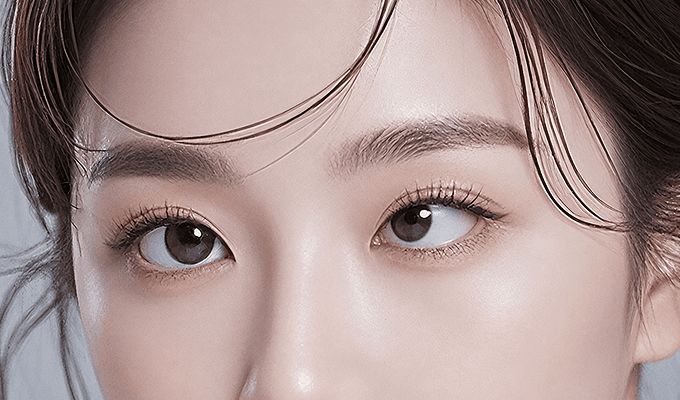
Strabismus types vary by direction
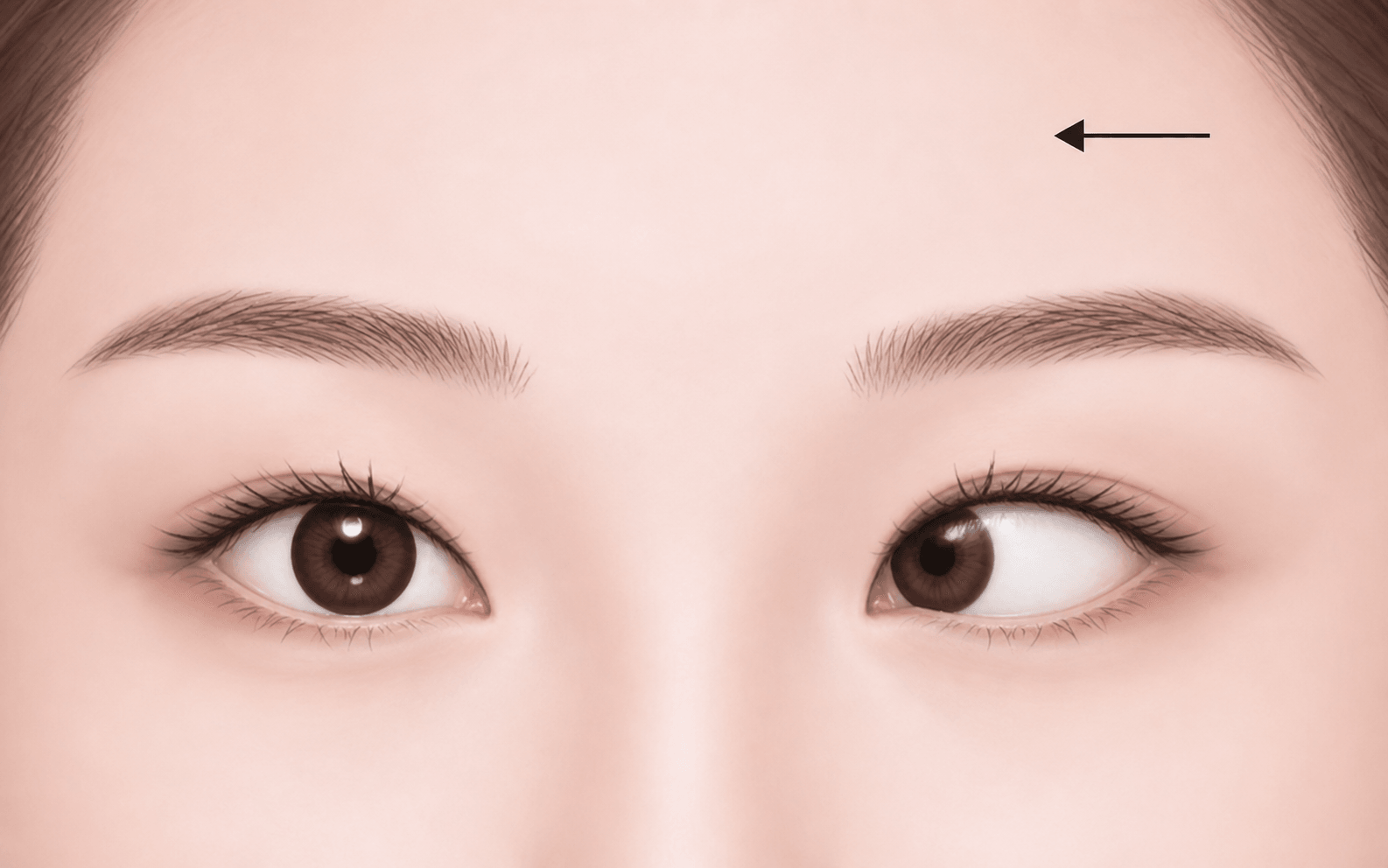
Esotropia
Eye turns inward
toward the nose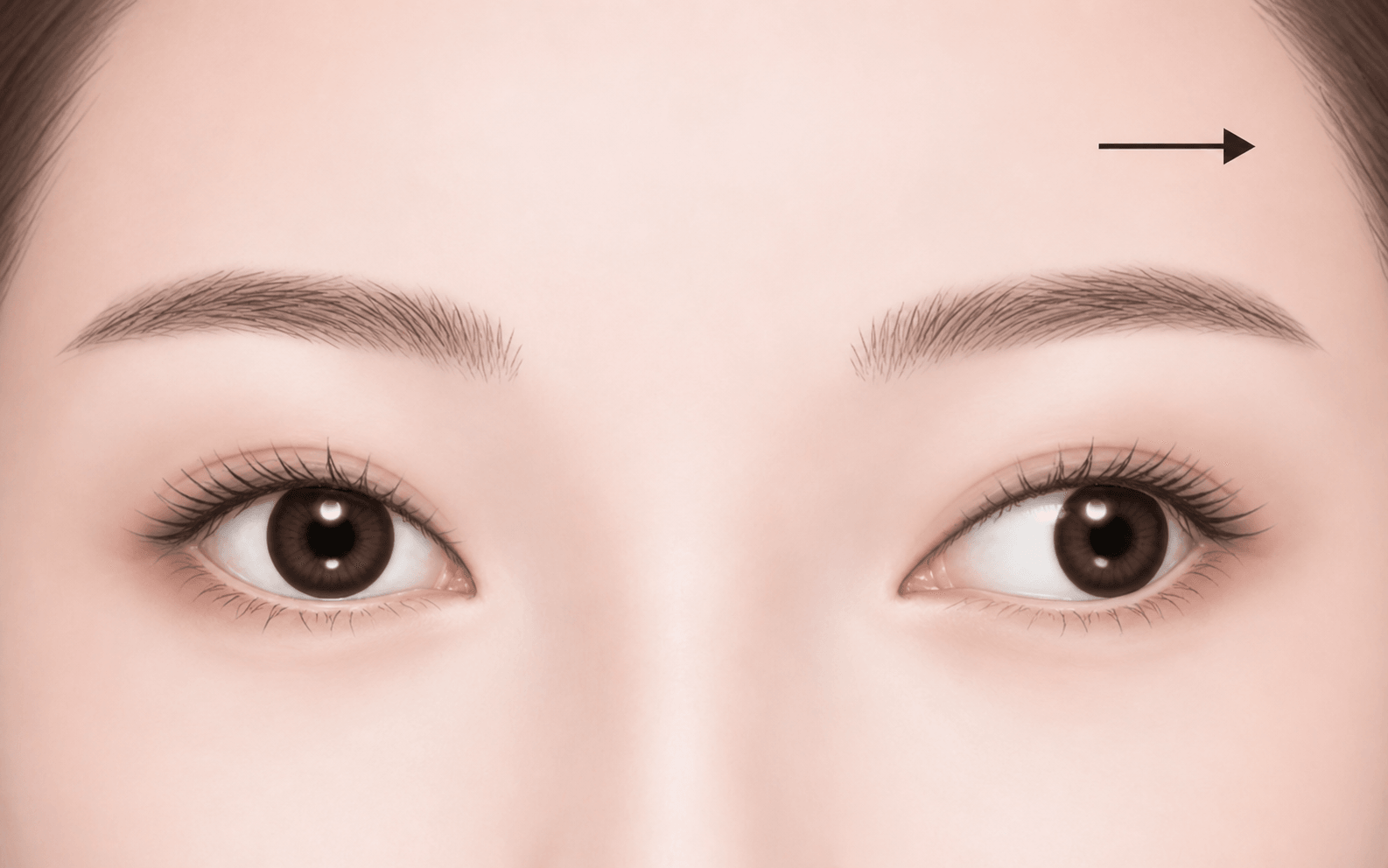
Exotropia
Eye turns outward
toward the ear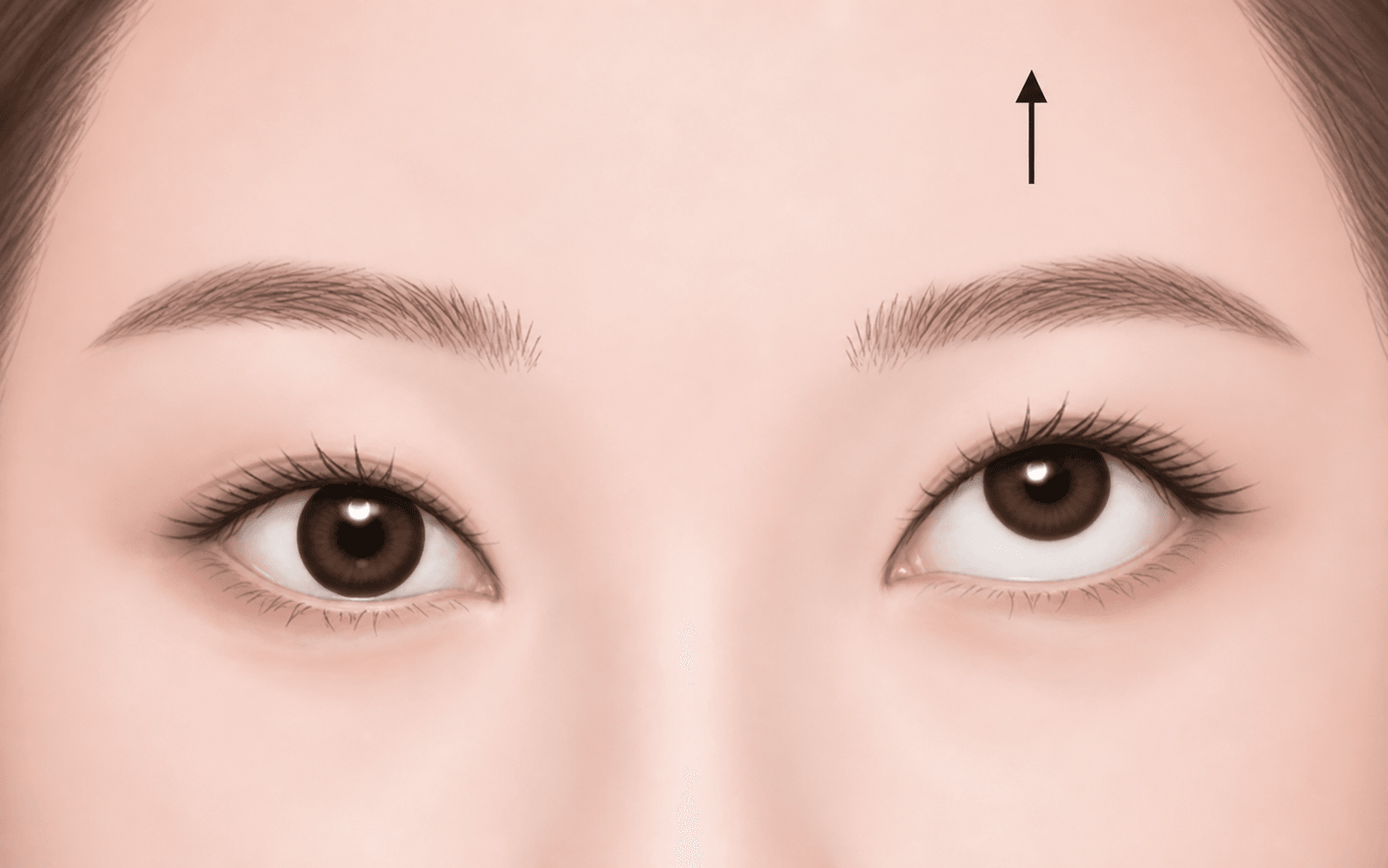
Hyper/Hypotropia
Eye drifts upward
or downward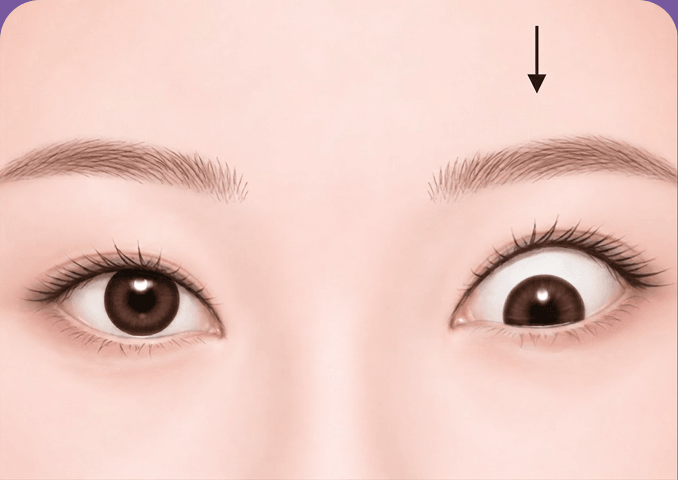
Cyclotropia
Eye is rotated off horizontal
Why does strabismus occur?
Strabismus often has no clear single cause and arises from a combination of factors
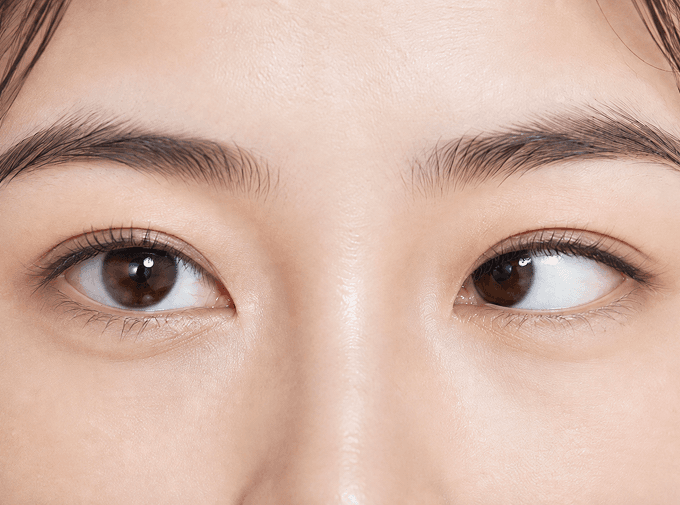
Anatomical factors (structural)
When the eye muscles or the surrounding bone structure themselves are abnormal Orbital (eye-socket) fracture, congenital craniofacial deformity, thyroid eye disease, structural eye-muscle abnormalities, etc.
Neurological factors (control)
When the cranial nerves or signal pathways controlling the eye muscles are impaired Cranial nerve (3rd, 4th, 6th) palsy, myasthenia, other neurological disorders, etc.
Genetic & environmental factors
Rather than strabismus itself, a predisposition or risk factors for it may be inherited Family history, visual-development environment, ethnic characteristics, etc.
Intermittent Exotropia
The most common type of strabismus, requiring a thorough examination
Intermittent exotropia is a form of exotropia: the eyes usually appear aligned but drift outward when the child is tired or sleepy, has a cold or fever, or zones out. It is common in growing children, so early detection and care are important.
Does your child have any of these symptoms?- 1
Severe glare in bright places, or frequently closing one eye
- 2
Tilts the head when watching TV or concentrating
- 3
Rubs or blinks the eyes frequently
- 4
One or both eyes take turns drifting outward


Goals of strabismus treatment

Pediatric strabismus
Guiding normal visual development and preventing amblyopia
to secure proper visual function
Adult strabismus
Relieving double vision and improving eye alignment
to ease visual discomfort and cosmetic imbalance
Strabismus treatment
Step-by-step correction matched to cause and timing
FAQ: common questions
- Q. When is the best time for strabismus surgery?
Surgery is most appropriate when patients feel discomfort in daily life.
If the strabismus angle exceeds a certain threshold and the patient wants improvement, surgery is possible at any age.
- Q. Will it recur after surgery?
- Q. Will untreated strabismus worsen vision?
I'm worried about surgical scars.
Amblyopia
When the eye is structurally normal
and not diseased, yet vision remains weak
Amblyopia means the eye itself — cornea, lens, retina, optic nerve —
is structurally normal,
but corrective glasses or contacts
still don't produce normal vision
It's a functional decline where visual signals
don't develop fully on their way to the brain
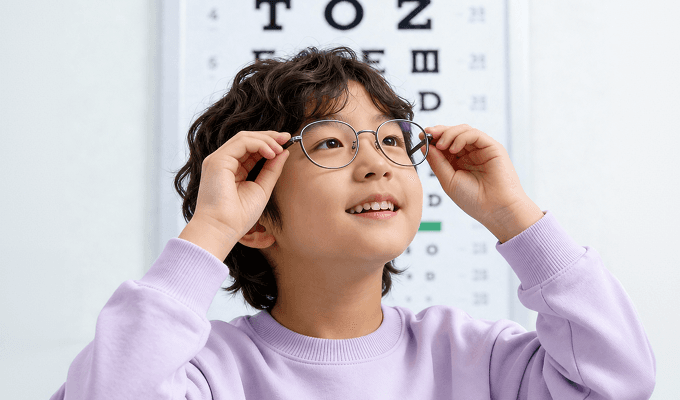
Causes of Amblyopia
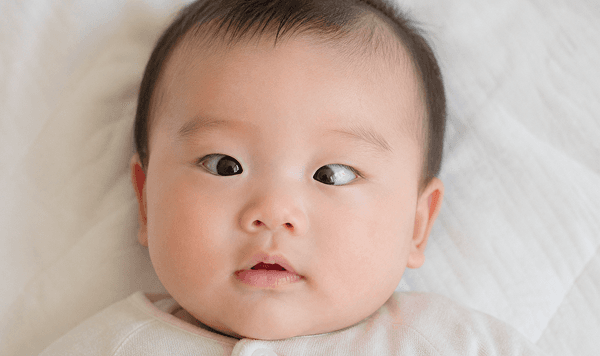
Strabismic amblyopia
When strabismus causes the eyes to look in different directions,
the brain suppresses one eye's input, leading to reduced vision development

Anisometropic amblyopia
Occurs when there is a significant difference in refractive error between the two eyes
The brain favors the stronger eye, causing the weaker eye's development to lag
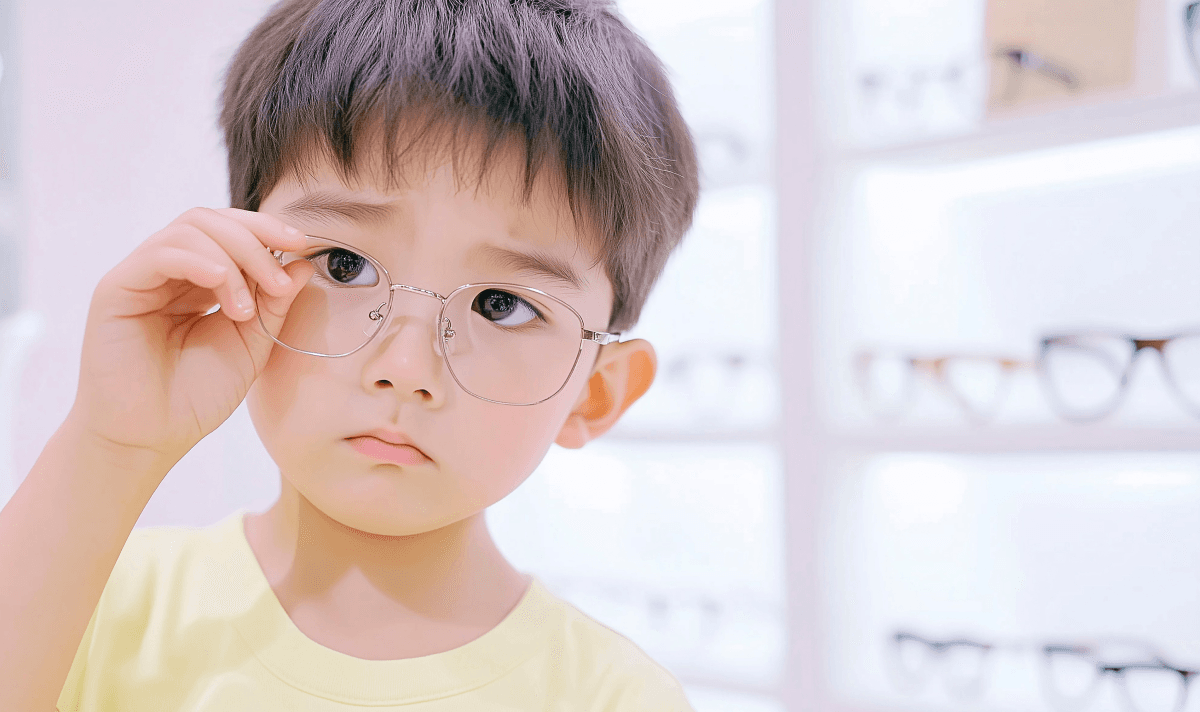
Refractive amblyopia
Occurs when high hyperopia, myopia, or astigmatism is not properly corrected
Persistently blurred images from early childhood can impair normal vision development
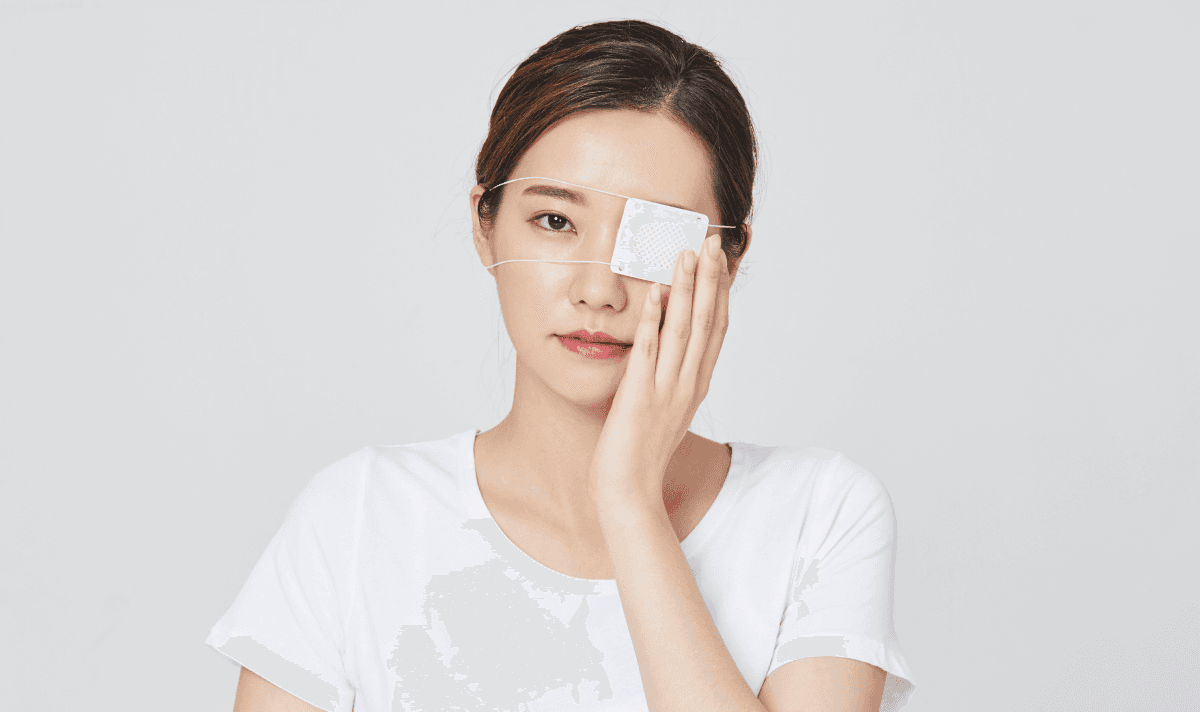
Disuse amblyopia
Occurs when one eye is not used for an extended period due to eye disease treatment
Prolonged restriction during visual development can lead to functional decline
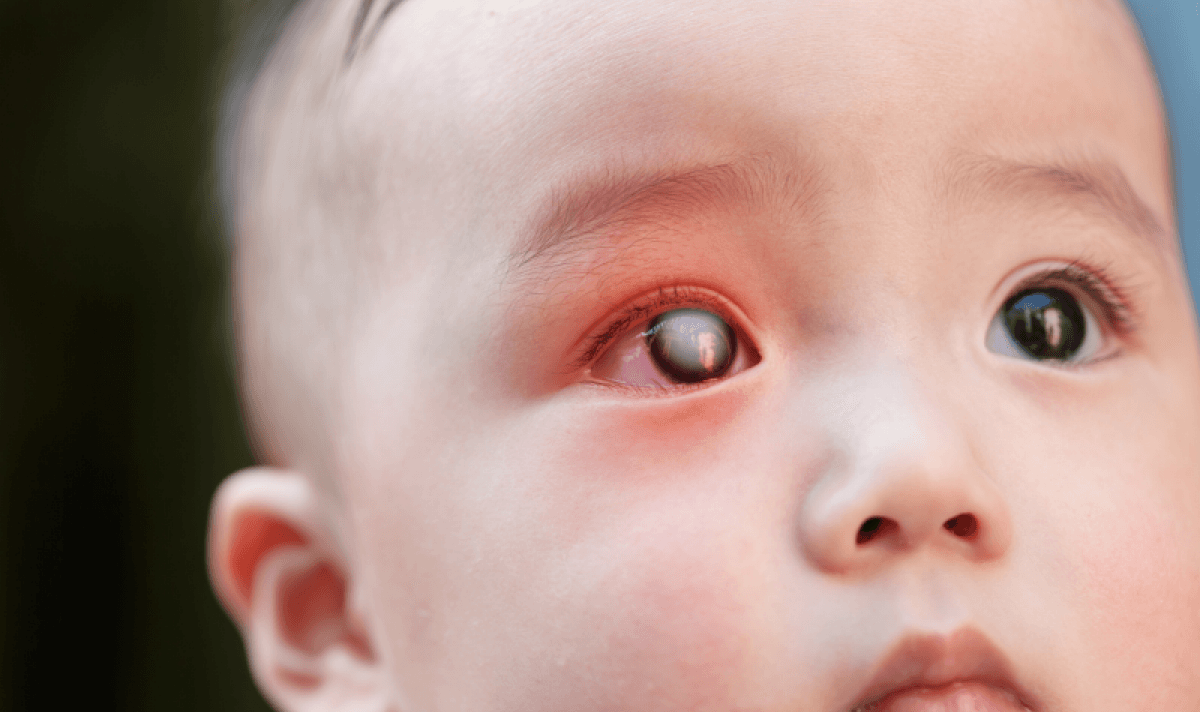
Deprivation amblyopia
Occurs when congenital cataracts or ptosis block early visual stimulation
If light stimulus is blocked during the critical period, vision may be permanently impaired
Amblyopia diagnosis
Precision early diagnosis determines vision outcomes
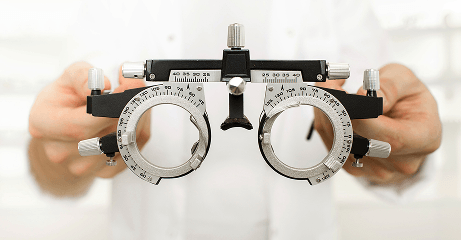
Best-corrected visual acuity
Measures the best vision achievable with glasses
to accurately assess current visual development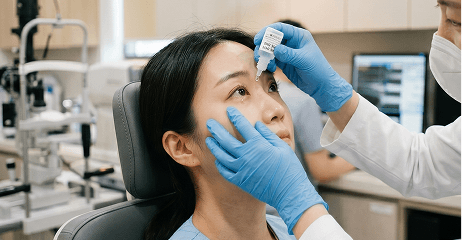
Cycloplegic refraction
Temporarily suppresses the eye's focusing power to exclude
pseudo-myopia and confirm true refractive error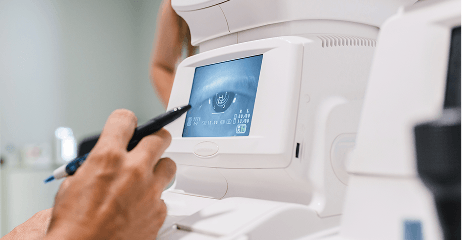
Fundus & organic disease check
Thoroughly rules out cataract, retinal abnormalities, optic nerve diseases
and any other ocular causes of reduced vision
Myths & facts about amblyopia
Symptoms alone aren't enough to diagnose amblyopia

Frequent eye inflammation or easy fatigue
isn't directly related to amblyopia
Low vision from not wearing glasses (refractive error)
isn't amblyopia if glasses can correct it to 1.0 or better.