
Cornea & Conjunctiva page heroCornea & Conjunctiva page hero
Cornea
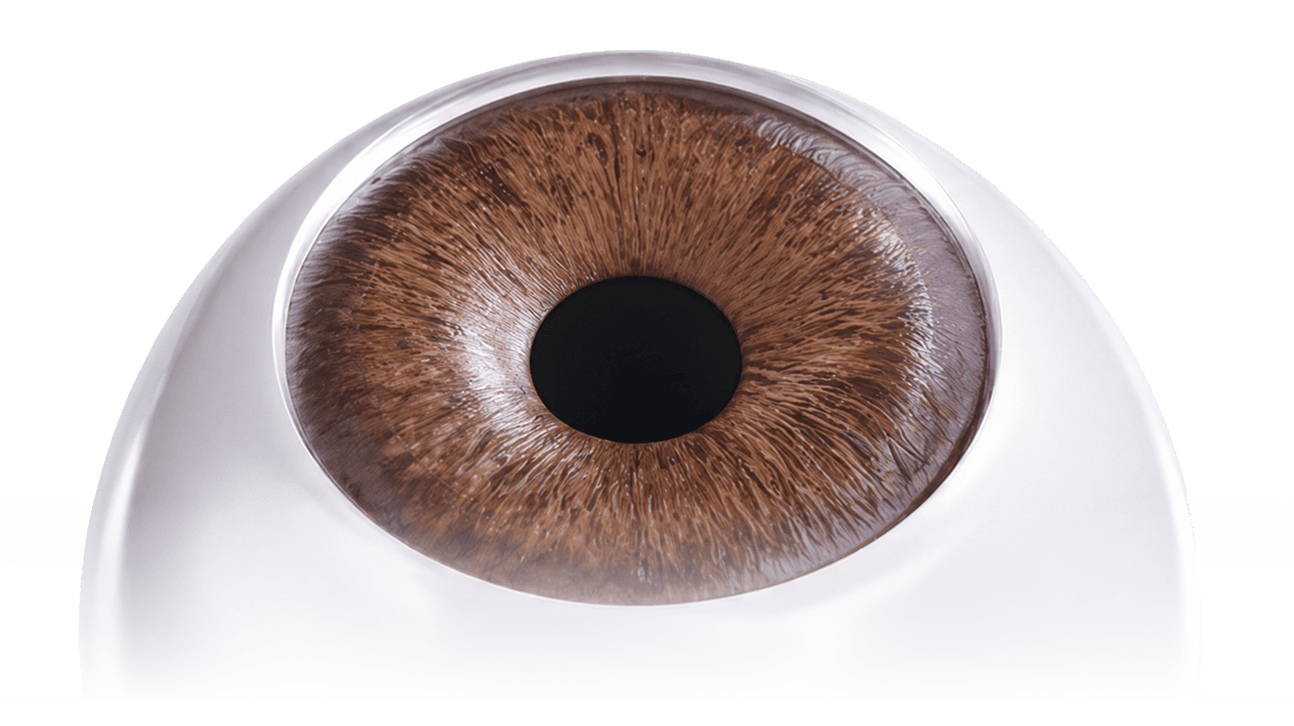
The transparent, dome-shaped tissue at the front of the eye —
the part that appears as the
‘black pupil’.
It refracts light onto the retina to form a clear image,
and any damage can lead to reduced vision.
Conjunctiva
The thin, transparent mucous membrane that
covers the white of the eye
and inner eyelids.
It is the first tissue exposed to external irritants,
bacteria and allergens,
making inflammation and redness common.

Both tissues sit on the eye surface and
directly affect each other.
Symptoms can look similar but the causes differ,
so an accurate diagnosis is essential.

Cornea
The transparent, dome-shaped tissue at the front of the eye —
the part that appears as the
‘black pupil’.
It refracts light onto the retina to form a clear image,
and any damage can lead to reduced vision.
Conjunctiva
The thin, transparent mucous membrane that
covers the white of the eye
and inner eyelids.
It is the first tissue exposed to external irritants,
bacteria and allergens,
making inflammation and redness common.

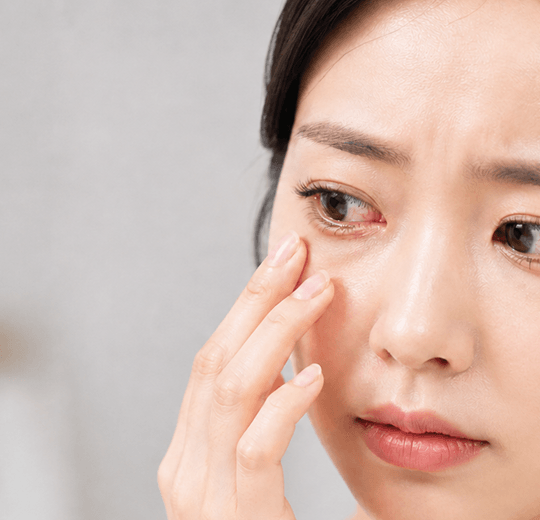
If your eyes are red, bloodshot,
or feel like something is stuck in them,
cornea or conjunctiva conditions may be the cause.

The cornea and conjunctiva are the frontmost
tissues covering the eye surface.
Because they are directly exposed to irritants,
bacteria and viruses, many conditions can develop.
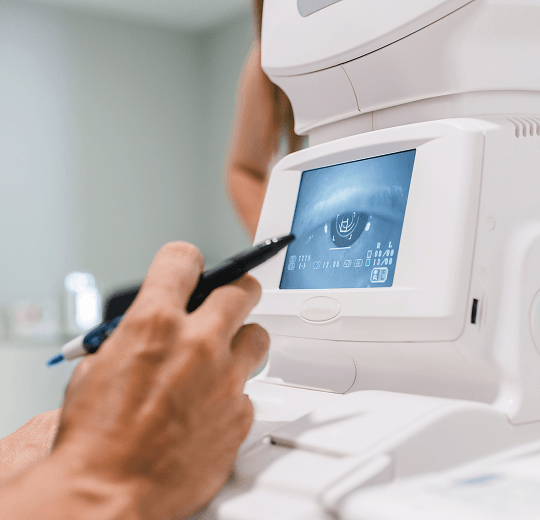
Gwangju Shinsegae Eye Clinic provides
accurate diagnosis and fast, effective treatment.

Cornea & Conjunctiva Checklist

Have you been ignoring symptoms like these?

If any of the symptoms above apply to you, a cornea or conjunctiva condition may be present.
Left untreated, it can progress to reduced vision or a chronic condition — early examination is recommended.

  • My eyes turn red frequently for no clear reason
  • I feel a gritty, sand-like sensation in my eye
  • I produce more tears or discharge than usual
  • Light feels harsh and stings my eyes
  • My vision looks blurry
  • My eyelids feel swollen and itchy
  • A white or yellow bump has appeared on the white of my eye
  • Tissue is growing from the white toward the iris
  • A bright red blood patch suddenly appeared on the white of my eye
  • My eyes itch and become severely bloodshot every spring and autumn
Keratitis

Keratitis

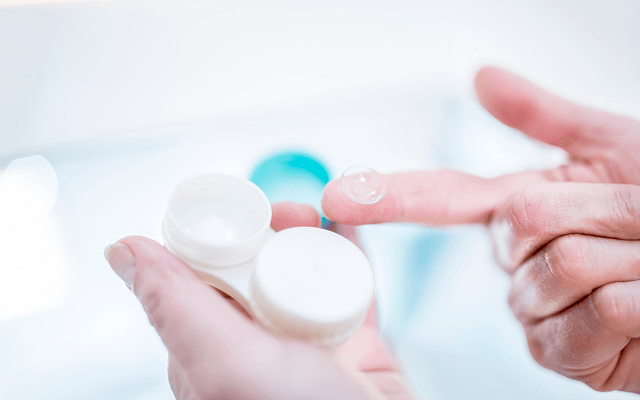
Inflammation of the cornea caused by bacterial, viral or fungal infection, trauma, or contact lens wear.

Eye pain, redness, light sensitivity and reduced vision may occur; delayed treatment can leave corneal opacity that affects vision, so prompt care matters.

Cornea & Conjunctiva Treatment

Why choose Gwangju Shinsegae Eye Clinic?

01·03

Pterygium autoconjunctival graft surgery

Instead of simple excision with its high recurrence rate,
we minimise recurrence with an autoconjunctival graft.
Using your own conjunctiva ensures high tissue compatibility
and a stable recovery.

Tailored ocular-surface treatment

We precisely diagnose ocular-surface diseases such as
allergic conjunctivitis and dry eye,
and provide treatment tailored to the symptoms.

Early diagnosis & treatment of corneal disease

Conditions needing prompt care, such as keratitis and epidemic conjunctivitis,
are diagnosed quickly and treated appropriately.

Frequently Asked Questions

Conjunctivitis vs dry eye
Q.

My eye is red — is it conjunctivitis
or dry eye?

A

Both can cause redness, but
their causes and treatments differ.
Discharge, itching, grittiness, onset and course
are reviewed together for an accurate diagnosis.

How contagious is epidemic conjunctivitis?
Q.

How contagious is
epidemic conjunctivitis?

A

It is highly contagious.
It spreads by direct contact or shared items
like towels and doorknobs, and stays contagious for about 2 weeks after symptoms begin.

Can allergic conjunctivitis be cured?
Q.

Can allergic conjunctivitis be
cured?

A

The allergy itself is hard to eliminate,
but medication and lifestyle care
keep symptoms well under control.

Bleeding on the white of the eye
Q.

Sudden blood on the white of my eye — is it dangerous?

A

It is usually subconjunctival hemorrhage, clearing on its own within 1–2 weeks.
But if it comes with pain or blurred vision,
or recurs, an examination is needed.