


Dry Eye
Dry eye disease
Modern life's chronic eye condition —
Shinsegae's precision diagnosis restores healthy tear flow
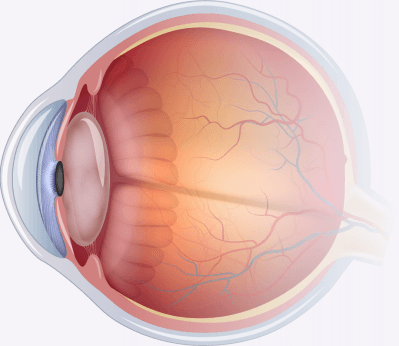
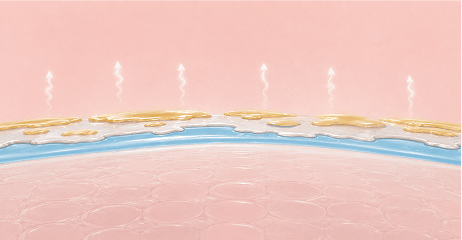
The tear film protecting your eyes has three layers: oil, water and mucin
If any one is out of balance, tears evaporate too quickly or are insufficient, damaging the ocular surface and causing pain
More than simply moistening the eyes, resolving the instability of the tear film is the core of treatment

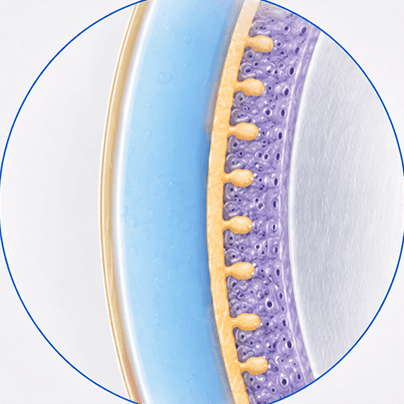
Lipid layer
Prevents tear evaporation
Aqueous layer
Blocks debris and irritants
Mucin layer
Anchors the tear film
Types of Dry Eye
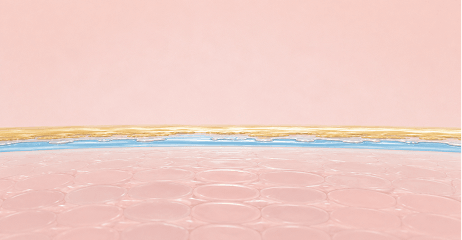
Aqueous-deficient
Insufficient tear production
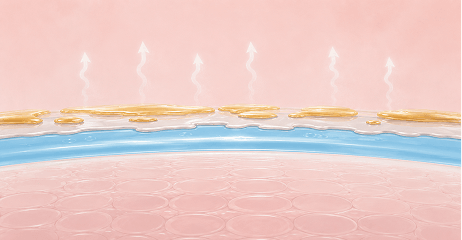
Evaporative
Meibomian gland dysfunction causes rapid evaporation
Mixed
Both aqueous deficiency and evaporation occur together
Dry Eye Symptoms
Foreign body sensation
Burning
Dryness
Stinging
Redness
Blurry vision
Itching
Light sensitivity
Eye fatigue


Main causes of dry eye
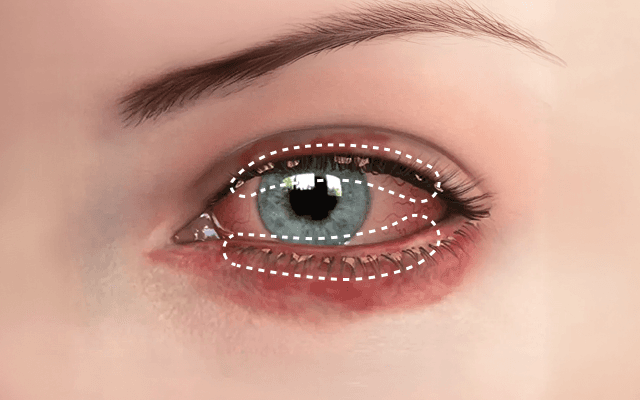
Meibomian gland dysfunction
About 80% of dry-eye cases come from oil-film issues,
not tear volume itself
When the meibomian glands along the eyelid edge block up,
the oil layer of the tear film weakens and tears evaporate too quickly
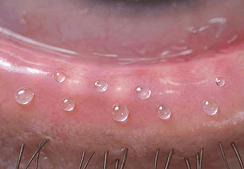
Normal
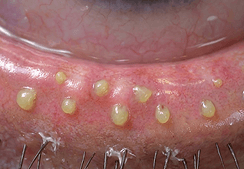
MGD
Personalised dry-eye medication
Prescribing artificial tears and symptom-matched drops to replenish the tear film and ease ocular surface inflammation — the most basic line of treatment

Artificial tears
For mild symptoms
→ Preservative-free single-use tears, as needed
Stabilises the tear film — safe for long-term use
Anti-inflammatory drops
For conjunctivitis, keratitis or blepharitis
→ Anti-inflammatory drops
stabilise the surface and break the cycle
Surgical treatment
For severe dry-eye symptoms
→ Punctal occlusion or laser therapy
reduces tear drainage
Advanced laser & thermal treatment
LipiView diagnoses the tear film, then LipiFlow and IPL unclog and restore the meibomian glands
Dry eye checklist
Discomfort & foreign-body sensation
Vision & visual symptoms
Situational symptoms
Morning & other symptoms
Relatively healthy
Avoid long screen time and dry environments to keep your current eye condition