
Closed-angle
Characteristics
Aqueous drainage is blocked, causing a sudden pressure spike with eye pain, headache and blurred vision
Management
Immediate pressure-lowering treatment and emergency care are essential


The silent intruder that steals sight,
protect the golden time of your optic nerve
Glaucoma narrows the field of vision as the optic nerve
is damaged by elevated eye pressure or poor blood flow.
Since damaged optic nerves are difficult to recover,
continuous management and maintenance
through early detection
is critically important.

Symptoms vary by type, but glaucoma shows almost no early warning signs
Progressive optic nerve damage gradually blocks peripheral vision, and in late stages vision narrows as if looking out from inside a narrow tunnel
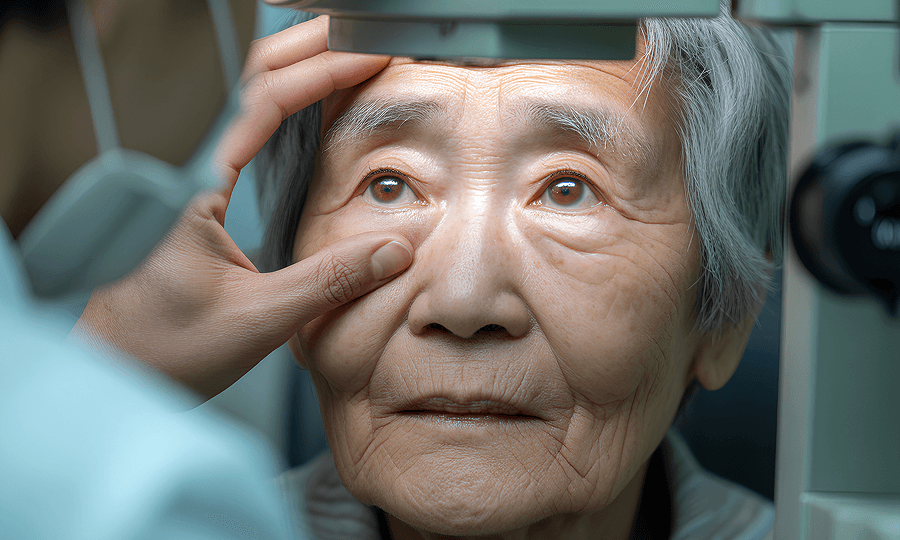
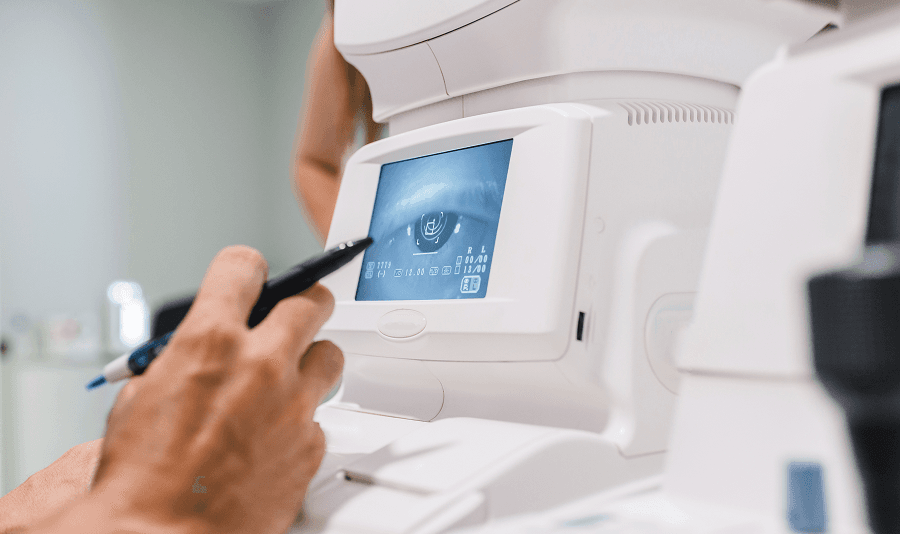
Early detection through precise optic nerve testing, before central vision is threatened, is essential to preserving sight
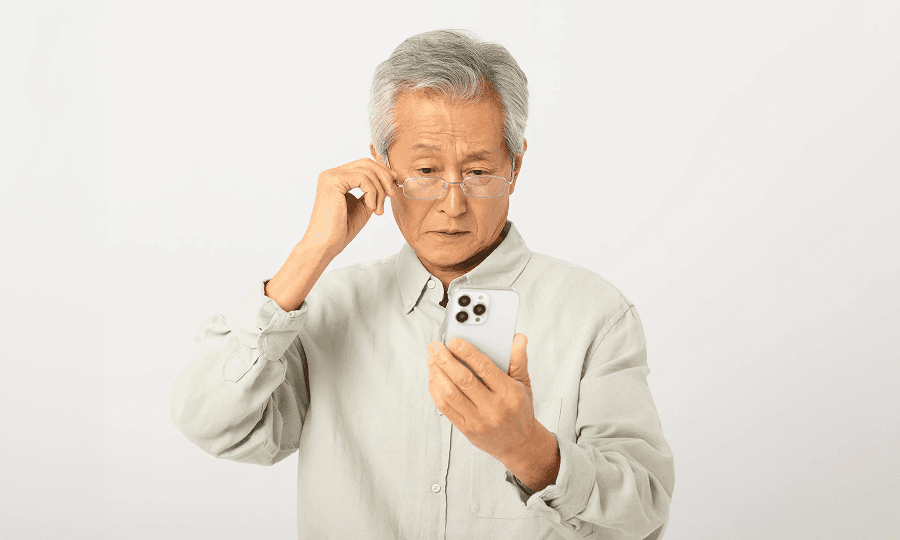
Glaucoma's early signs are subtle —
often mistaken for normal aging.
If two or more apply,
a precision screening is recommended.








Glaucoma takes many forms, not a single disease
Understanding each type is the start
of the right treatment
Closed-angle
Characteristics
Management
Open-angle
Characteristics
Management

Normal-tension
Characteristics
Management
Secondary
Characteristics
Management

Congenital
Characteristics
Management
With early detection and small daily changes,
glaucoma can be managed effectively.
See the prevention tips that minimise nerve damage
and protect healthy vision.
If you're 40+, have a family history, hypertension or diabetes,
an annual precision checkup is recommended even without symptoms

Avoid long phone or reading sessions in the dark — they can raise intraocular pressure

Regular aerobic exercise (walking, jogging) supports healthy blood flow

Extreme stress can fluctuate pressure — keeping the mind calm matters

Sleep well and adjust positions that press on the eyes — side-sleeping habits help

Excess drinking and smoking impair blood flow and can accelerate nerve damage
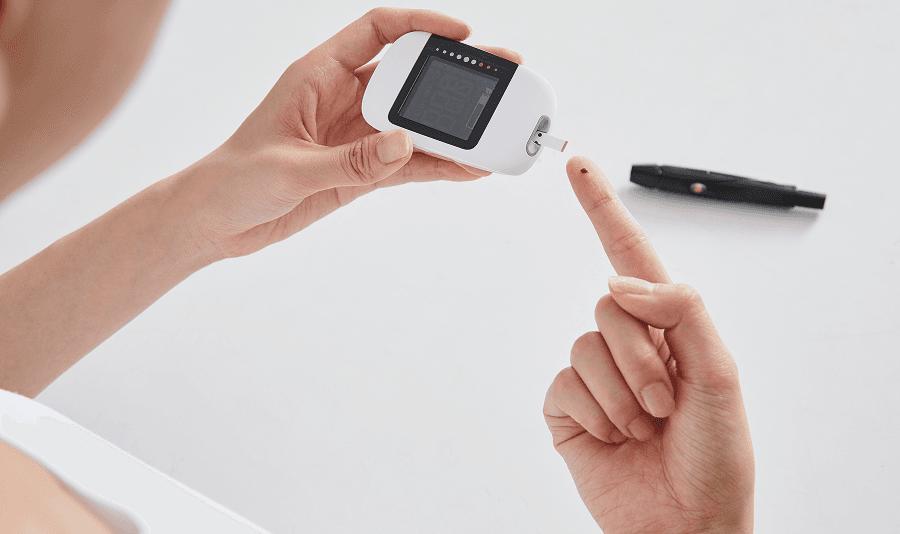
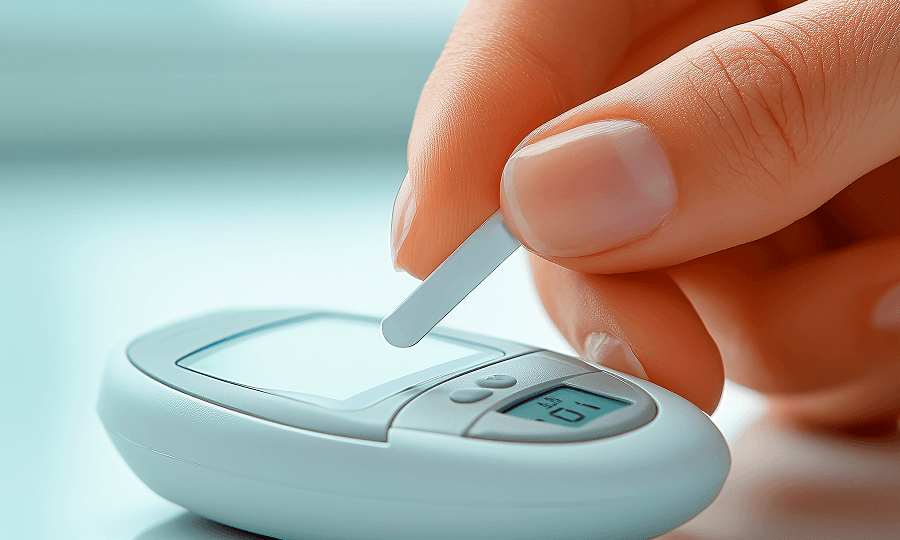
Diabetes and hypertension affect nerve blood flow — ongoing internal care must run in parallel