
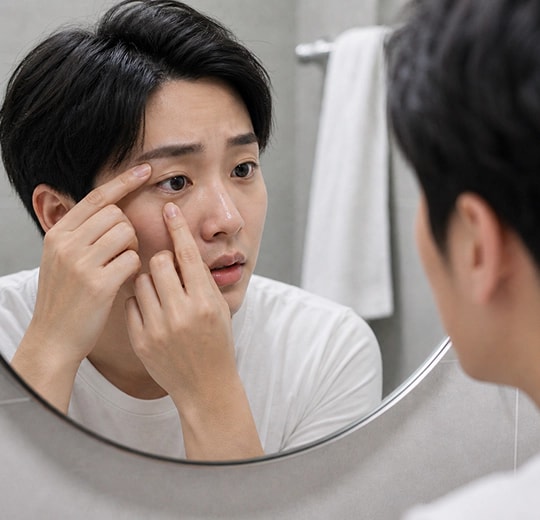
Q.
Can I squeeze it at home?
A
Squeezing at home is not recommended.
Squeezing a stye with unsterile hands or tools can spread bacteria into surrounding tissue, worsening the inflammation and risking scarring or delayed recovery.


A stye is an inflammatory condition caused by a bacterial infection in the eyelid's oil or secretory glands. It begins with swelling and pain, and as it progresses, pus may form.
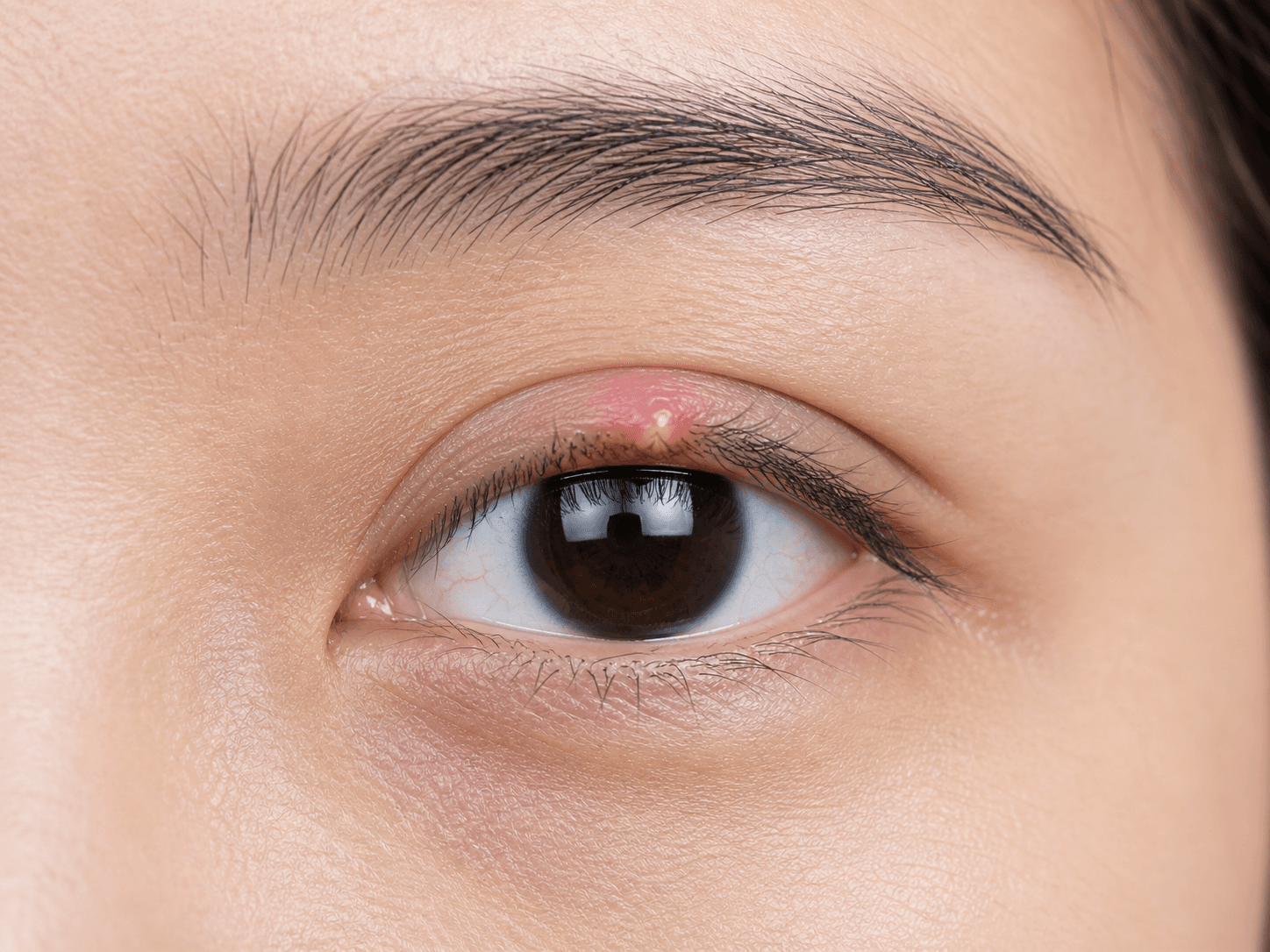
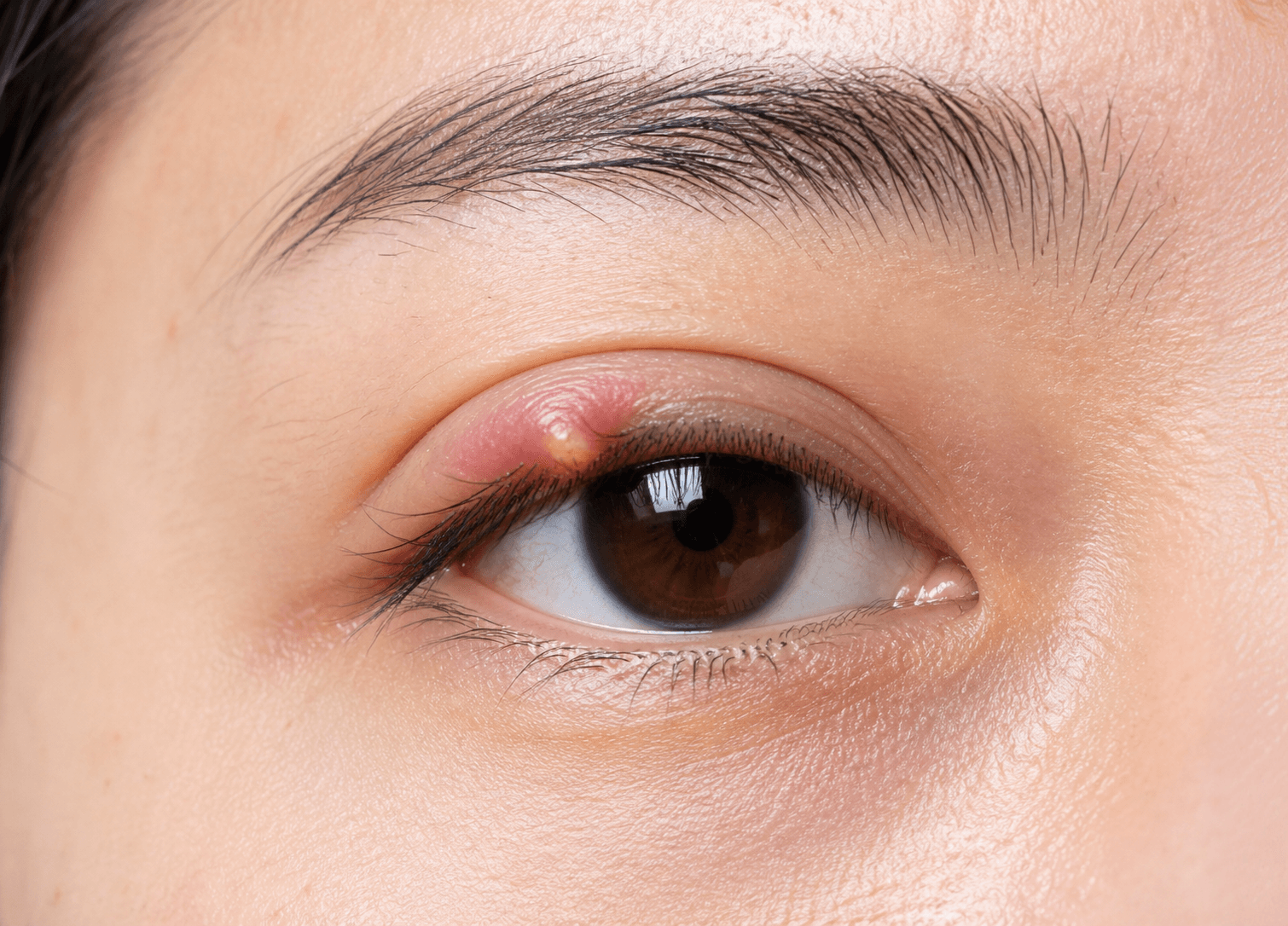
A bacterial infection in the glands along the eyelid margin (glands of Zeis and Moll).
Itching, swelling, pain, induration (hardening)
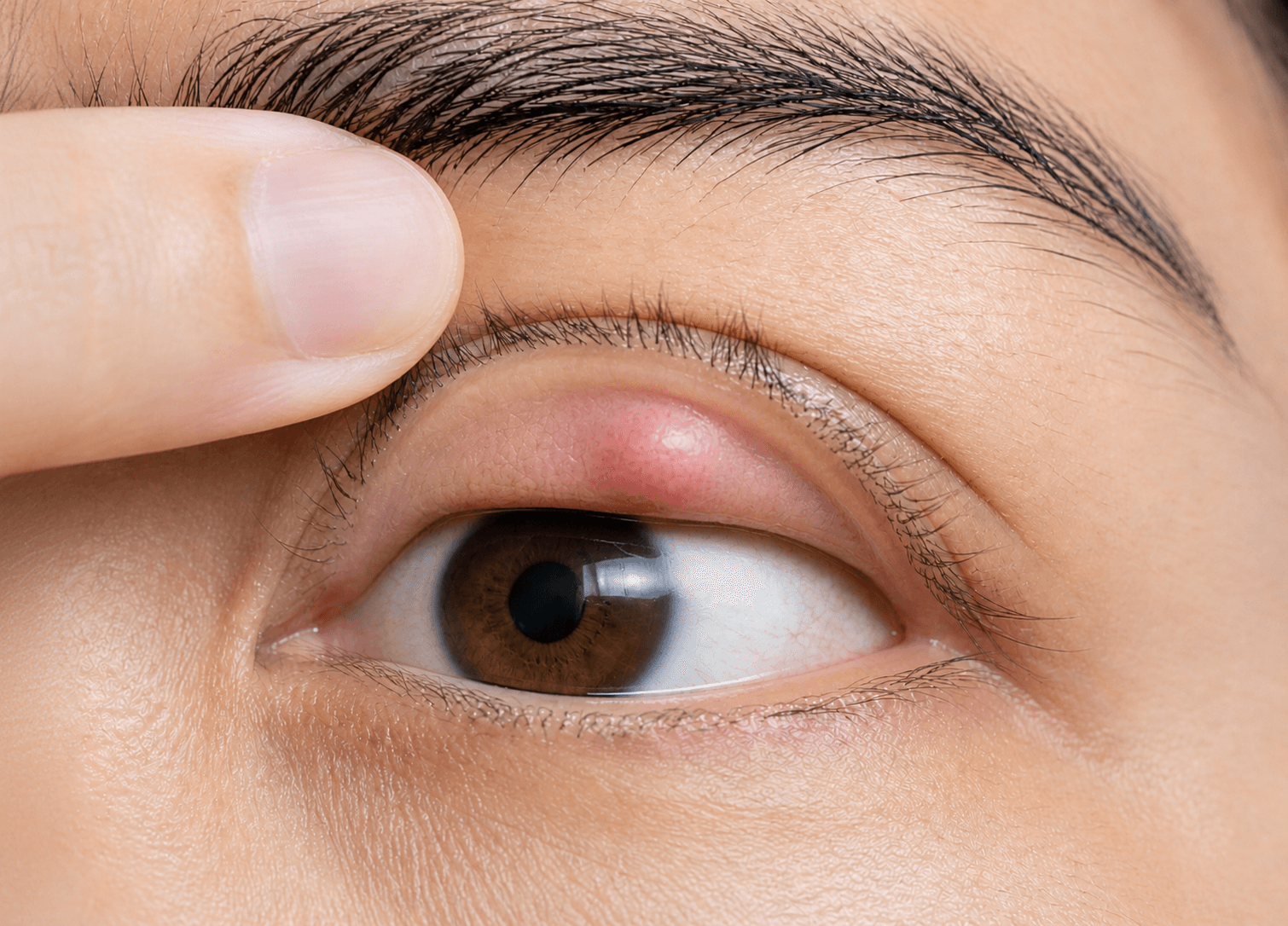
A bacterial infection causing inflammation in the meibomian glands inside the eyelid.
Deep-seated pain, swelling, abscess
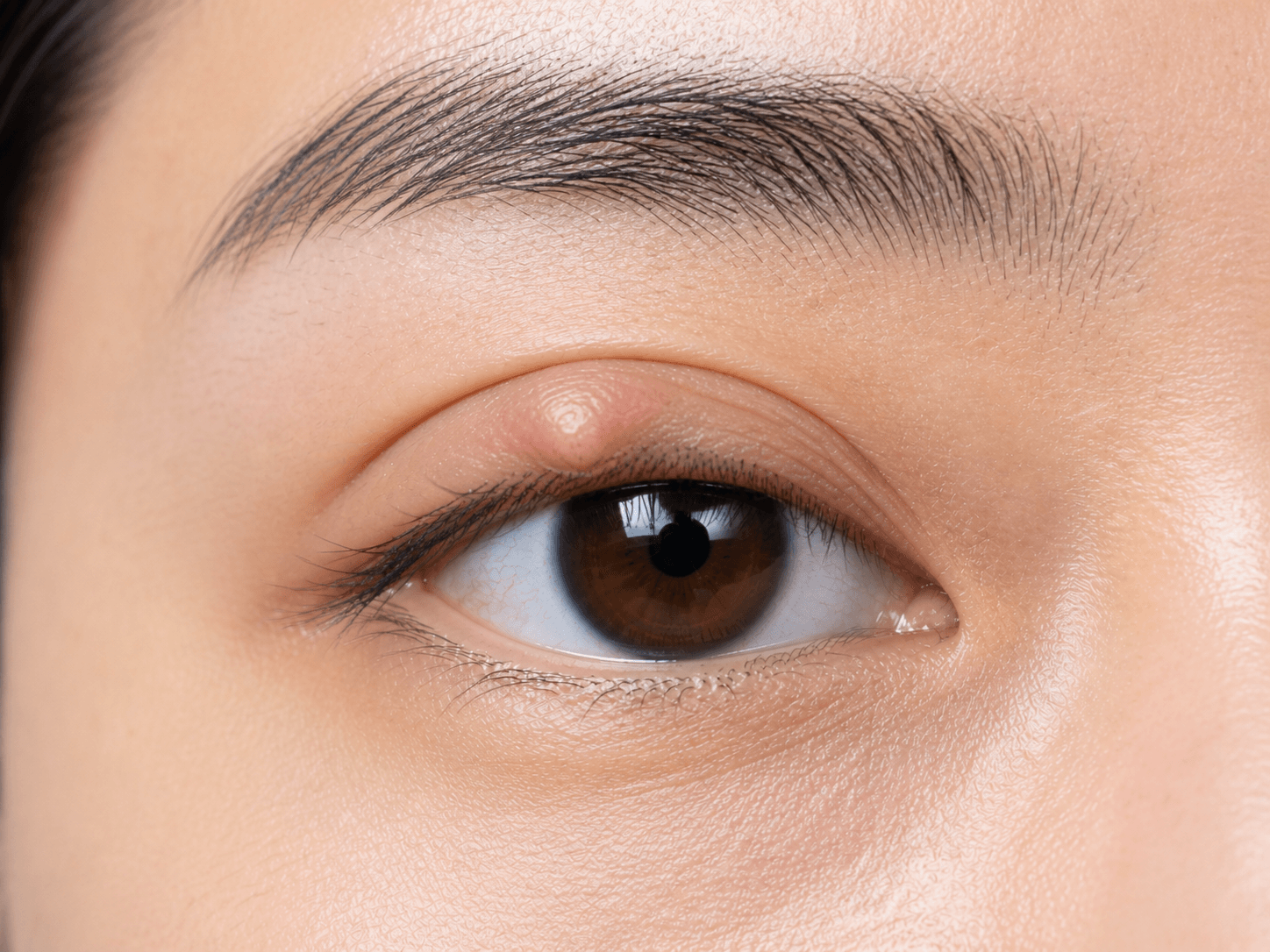
A chronic granulomatous inflammation where blocked meibomian glands accumulate secretions, forming a firm nodule inside the eyelid.
Firm nodule, lump inside the eyelid, mild pain


Can I squeeze it at home?
Squeezing at home is not recommended.
Squeezing a stye with unsterile hands or tools can spread bacteria into surrounding tissue, worsening the inflammation and risking scarring or delayed recovery.

Is a stye contagious?
No, a stye is not contagious.
Unlike viral conditions such as epidemic conjunctivitis, a stye is a non-contagious inflammation caused by your own blocked glands or an individual bacterial infection.

Why do styes recur in the same spot?
Styes can recur due to eyelid hygiene, meibomian gland dysfunction, or chronic blepharitis.
In adults especially, if a chalazion keeps recurring in the same spot, there is a rare chance of a malignancy such as sebaceous gland carcinoma, so it must be checked with an exam.
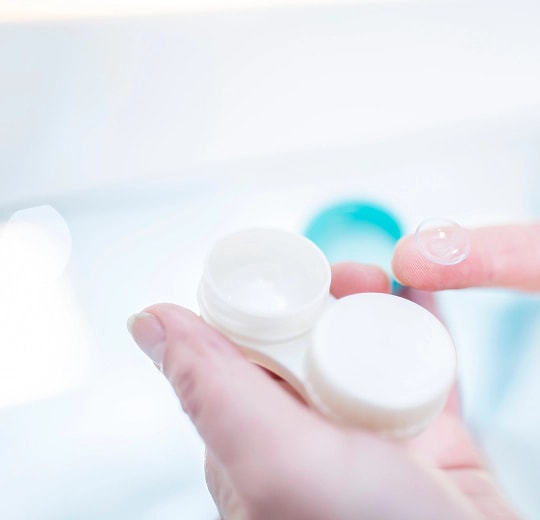
Can I wear contact lenses
or eye makeup with a stye?
It is best to pause until symptoms ease.
Wearing lenses with a stye can cause secondary infection (conjunctivitis, keratitis).
Eye makeup can also block or irritate the oil glands, so keep the eye area clean during treatment.