


Eye Disease
Pterygium
Pterygium is an eye condition in which fibrovascular tissue proliferates from the inner conjunctiva (the white of the eye) toward the cornea (the dark pupil area), growing in a triangular shape.
Commonly called a “surfer's eye,” it is only a cosmetic concern at first, but if left untreated it can invade the cornea, causing astigmatism or reduced vision — so timely treatment is important.
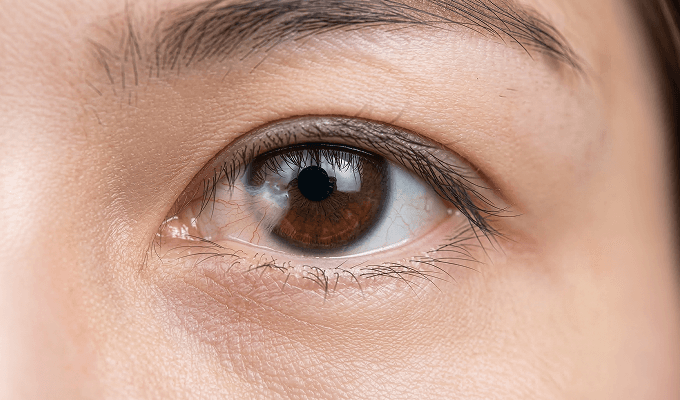
Main causes of pterygium

UV exposure
The most important risk factor — long-term UV exposure can cause degeneration and proliferation of conjunctival tissue.

External irritation
Chronic irritants such as fine dust, strong wind and dry environments can promote conjunctival inflammation and tissue growth.

Genetic factors
With pterygium in family history, the chance is relatively higher — regular checkups are advised.
Main pterygium symptoms
Suspect pterygium if these symptoms appear

Visible signs
A white membrane or red tissue visible on the white of the eye
Discomfort
Persistent gritty foreign-body sensation and stinging
Cosmetic
Eyes always look red and tired even when you're not
Reduced vision
Astigmatism and vision loss as it invades the central cornea or pupil
Tailored solutions by stage of progression
Rather than rushing to surgery, pterygium needs accurate, stage-appropriate treatment first