


Re-Surgery
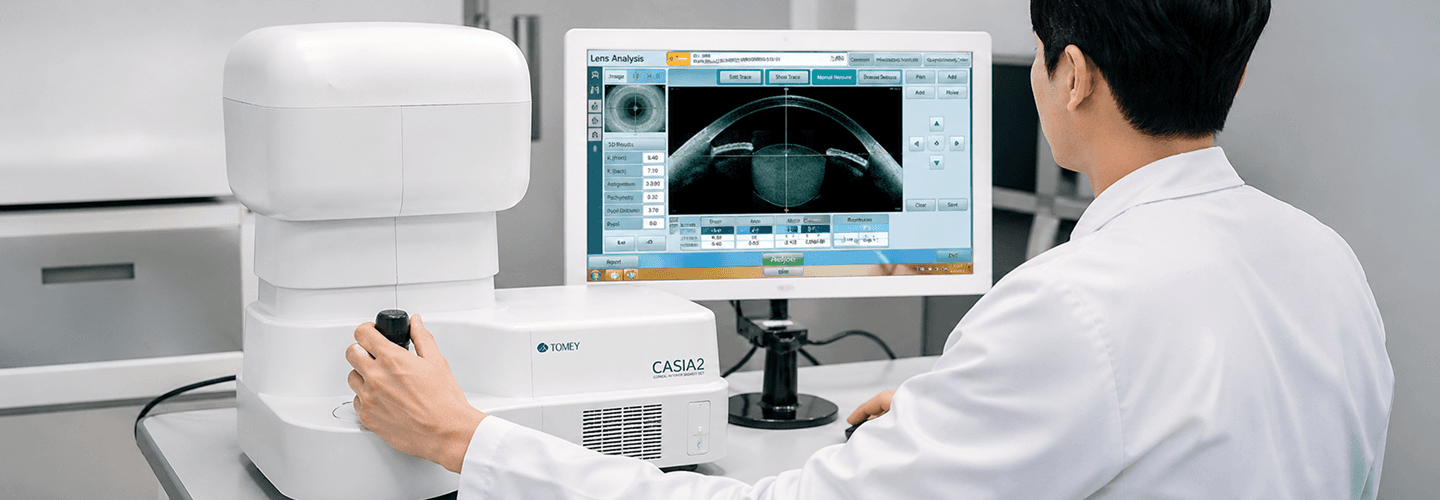
Reclaim crystal-clear visionengineered through meticulous analysis at
Gwangju Shinsegae Eye Clinic Re-Surgery
We resolve the lingering shortcomings of your first surgery with precise diagnostics and proven expertise
Gwangju Shinsegae Eye Clinic redesigns your vision under stricter standards than ever
Vision Correction Re-Surgery
A procedure performed when vision has regressed after a previous correction (LASIK, LASEK, SMILE, etc.),
or when residual refractive error requires additional correction
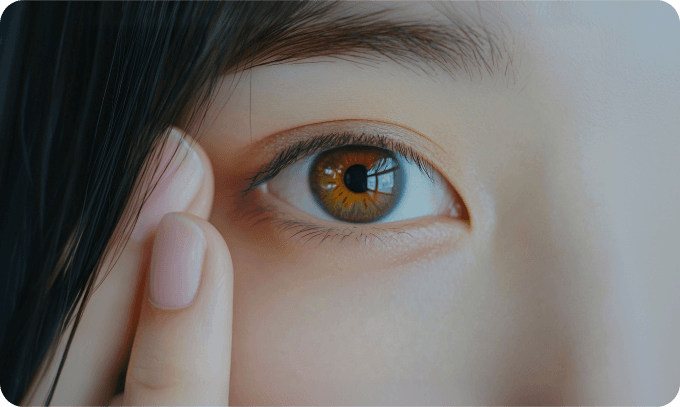
Myopic regression
Vision gradually declining due to corneal healing response or eyeball growth after surgery
Residual refractive error
Lingering refractive deviation that requires additional correction
Corneal asymmetry
Irregular corneal shape causing optical distortion that needs precise re-correction
Precision pre-surgery diagnostic process
A double-check system more thorough than your first surgeryCorneal 3D
topography analysis
Pentacam imaging analyses
both anterior and posterior
corneal curvature for safetyResidual cornea
thickness measurement
Ultrasound and optical devices
measure the actual corneal
thickness from multiple anglesCycloplegic
refraction test
Pseudo-myopia is excluded so the
true refractive error can be
identified with accuracyFinal
surgical design
Based on precision diagnostic
data, the surgeon personally
designs the re-surgery scope
Re-surgery isn't for everyone — that's why our screening is stricter
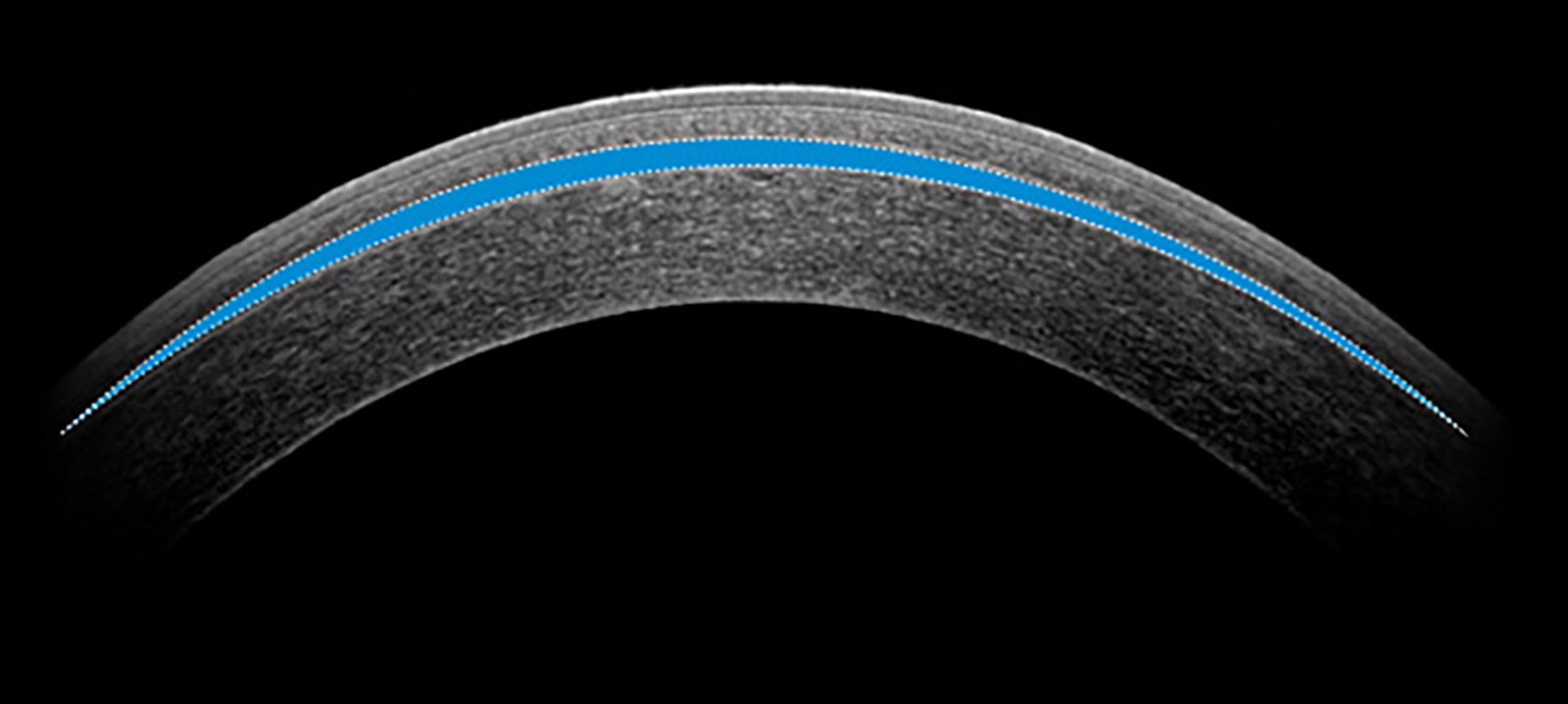
Sufficient corneal thickness
Enough residual corneal thickness must remain
to safely withstand intraocular pressure post-correction
Stable vision
Vision must have remained stable
for the past 6 to 12 months without further changes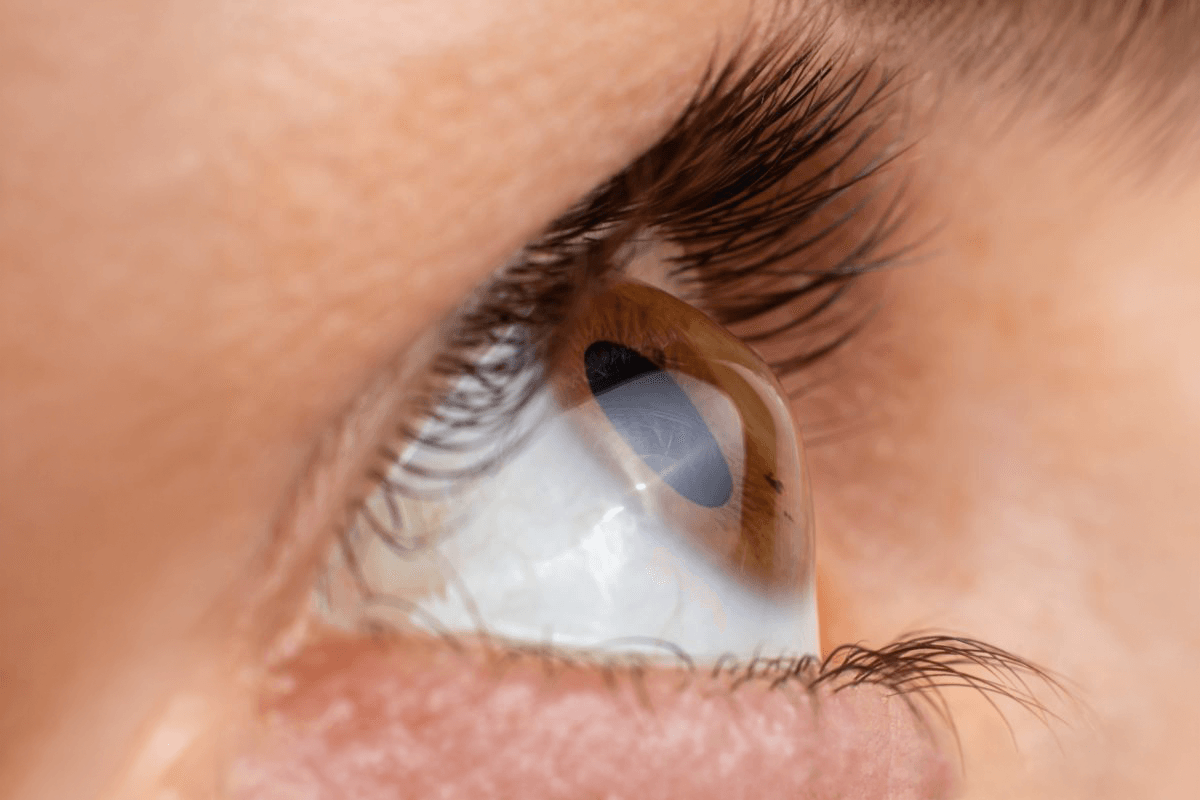
No interfering eye diseases
Conditions such as keratoconus or glaucoma
that compromise surgery must be ruled out
Recommended candidates

Myopic regression and reduced vision
Patients whose vision gradually declined years after vision correction
Those forced back into glasses or contact lenses again
Patients facing both presbyopia and myopic regression who need distance correction


Unsatisfactory results and residual prescription
Patients with residual astigmatism causing blurred or doubled vision
Those who didn't reach their target vision and want further correction
Patients struggling with night halos or reduced visual quality in daily life
Re-surgery options by initial procedure type
*The most suitable method is selected after comprehensively considering residual corneal thickness, prior surgical history, and current eye condition