
Eye disease heroEye disease hero

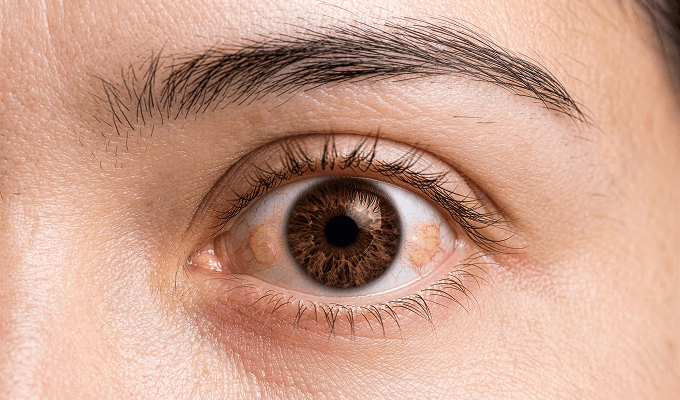
Pinguecula Pinguecula

A nodule that catches your eye in the mirror —
accurate diagnosis comes first

A yellow nodule that doesn't block vision but causes
foreign-body sensation and redness.

Easily confused with pterygium due to appearance,

so get clear differential diagnosis at Shinsegae
for the right care solution.

Pinguecula

3 main causes of pinguecula

3 main causes of pinguecula

  • Strong UV exposure

    Strong UV exposure

    Prolonged unprotected UV exposure

    degenerates conjunctival tissue, forming protein clumps.

  • Chronic external irritation

    Chronic irritation

    Fine dust, wind, dry air and other irritants

    continually stress the conjunctiva.

  • Aging & fatigue

    Aging & fatigue

    A natural part of ocular aging —

    symptoms intensify with overwork or inflammation.

Pinguecula care matched to symptoms

Stepwise management based on accurate diagnosis matters more than rushed surgery

01·03
1

Inflammation control (medication)

For "pingueculitis" — when the pinguecula reddens and swells —
symptom-matched eye drops calm the inflammation
within 3-4 days.

2

Cosmetic removal

If appearance causes severe stress, surgical removal can be considered.
However, scarring or pseudo-pterygium aftereffects are possible —
decide carefully after a thorough consultation
with an experienced specialist.

3

Progression-control care

Artificial tears reduce friction
and UV-blocking habits prevent
further tissue degeneration —
careful daily management.

Pinguecula vs pterygium

Pinguecula
Small yellow raised nodule
Limited to the white of the eye
Almost no effect on vision
Mainly cosmetic — optional
Compared
Appearance
Spread
Vision impact
Treatment goal
Pterygium
Triangular white tissue (membrane)
Grows toward the corneal centre
Causes astigmatism / vision loss in severe cases
Surgery often essential by stage