





Epicanthoplasty & lateral canthoplasty heroEpicanthoplasty & lateral canthoplasty hero

Epicanthoplasty & lateral canthoplasty

Considering both the function and balance of the eyes

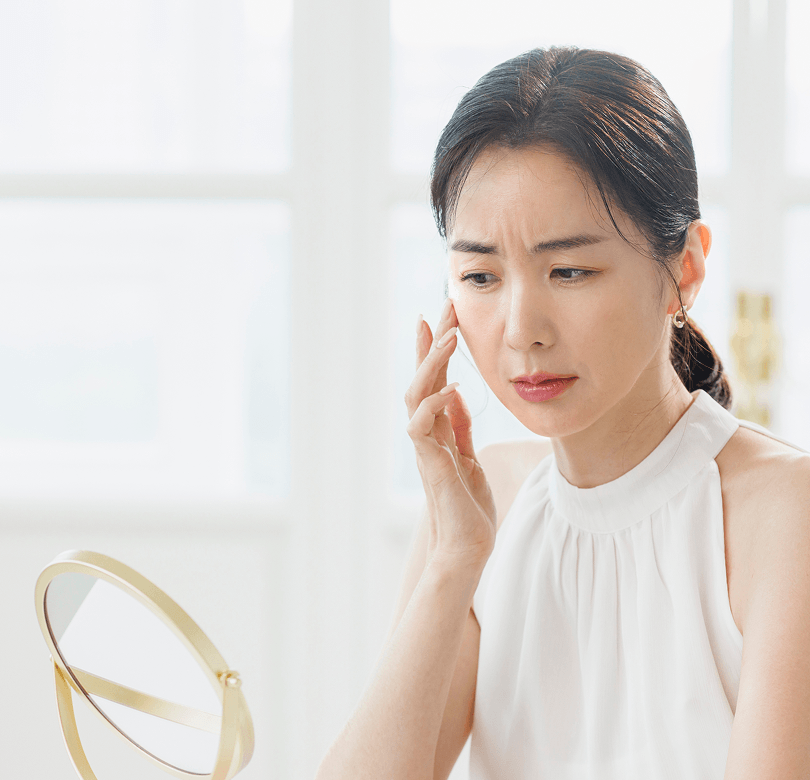
The inner epicanthal fold or surrounding tissue can make the eyes look tight
or partially obstruct the field of vision.
Epicanthoplasty and lateral canthoplasty improve these covered areas, considering
the surrounding eye structure, to pursue a naturally balanced eyeline.

Epicanthoplasty & lateral canthoplasty intro

Gwangju Shinsegae Eye Clinic's customized oculoplasty

  1. Specialists who know
    the eye structure

    Based on anatomical understanding, we perform
    precise surgery considering the muscles
    and tissue around the eyes.
  2. Harmony of beauty
    and function

    Not merely improving appearance, we create a
    custom design that considers the function
    and balance of the eyes together.
  3. Comfort even
    after surgery

    We carefully check the field of vision and eye
    health, aiming for a stable
    recovery.

What is epicanthoplasty?

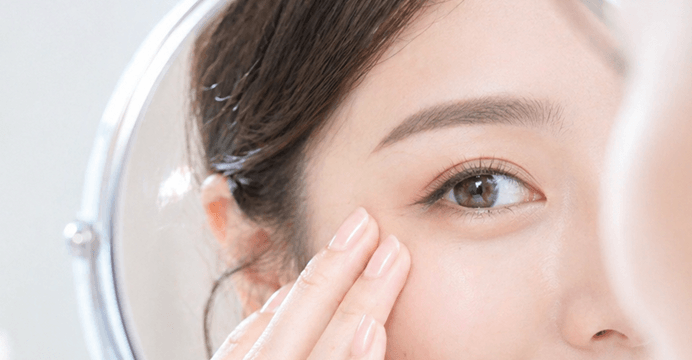
Asian eyes often have an inner epicanthal fold,
making the eyes look smaller and tighter than they are.
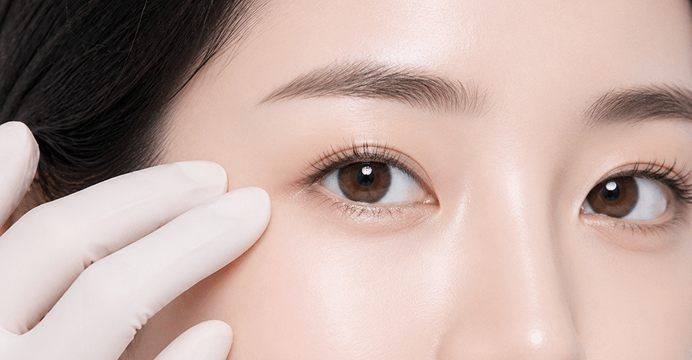
Epicanthoplasty improves this fold to adjust the length and ratio of the eye,
creating a naturally balanced eyeline.

  • Narrower eye gap

    Narrower gap

    Naturally narrows a wide-looking glabella.

  • Crisper eyes

    Crisper eyes

    Improving the epicanthal fold gives a refreshed impression.

  • Minimal scarring

    Minimal scarring

    Precision suturing leaves scars almost invisible.

What is lateral canthoplasty?

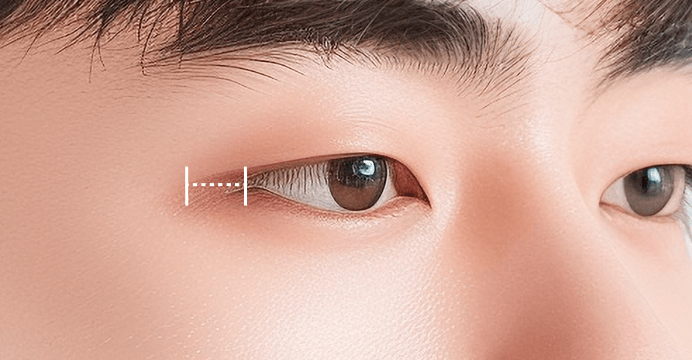
Lateral canthoplasty considers the conjunctiva and skin structure at the outer corner
to improve the horizontal length and balance of the eyeline.
It lowers raised eye tails or lengthens the overall eye
for a softer, gentler impression.

  • Softer impression

    Softer impression

    Softens sharp, intense first impressions.

  • Wider eyes

    Wider eyes

    Extends eye width for a larger, brighter look.

  • Quick recovery

    Quick recovery

    Quick return to daily life after treatment.

Epicanthoplasty & lateral canthoplasty procedure

01·05
STEP 1

Precise pre-screening

We precisely analyse the eye structure and condition

to plan whether surgery is possible and the suitable method.

STEP 2

Design consultation

We discuss the desired eyeline shape together

and design a fit for the facial ratio of each patient.

STEP 3

Topical + local anesthesia

Anesthesia is applied to minimise pain and discomfort during surgery.

STEP 4

Treatment (20-30 min)

Precise incision and delicate suturing avoid scarring,

completing a natural eyeline.

STEP 5

Recovery & finishing

You head home after we check the eye condition;

recovery speed varies by individual.

Frequently asked questions

Why is canthoplasty done at an eye clinic?
Q.

Why is canthal surgery done at an eye clinic?

A

The eyelids, conjunctiva and tear ducts are closely connected to eye function.

A specialist who understands the anatomy of the eye performs the surgery, securing not only aesthetic improvement but also functional safety that minimises side effects such as dry eye or stinging after surgery.


Is it true that the corner often re-adheres after lateral canthoplasty?
Q.

I heard the corner often re-adheres after lateral canthoplasty — is that true?

A

Older surgical methods sometimes caused re-adhesion (reattachment).

Here we markedly reduce that possibility and operate precisely so a refreshed, defined eyeline is maintained over time.

Can epicanthoplasty, lateral canthoplasty or ptosis correction be done together?
Q.

Can epicanthoplasty, lateral canthoplasty or ptosis correction be done together?

A

Combined surgery is possible, but not necessary for every patient.

We comprehensively consider eye structure, facial ratio and current condition, and recommend only the procedures you truly need.

Will it leave a scar?
Q.

Will it leave a scar?

A

The area around the eyes heals well compared with other parts of the body.

Results may vary by individual skin condition and recovery, but in most cases the scar naturally fades over time and becomes barely noticeable.