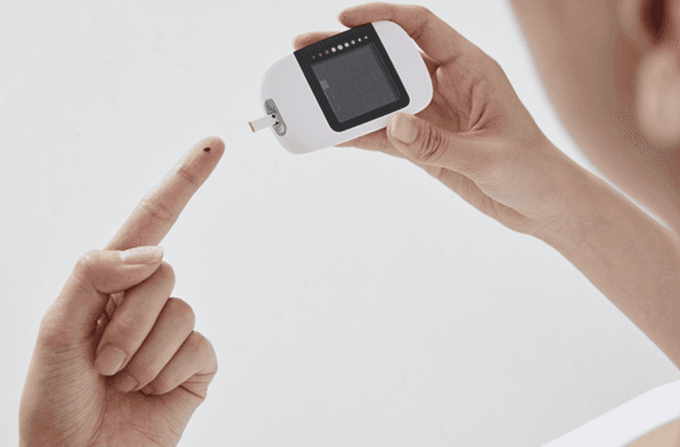

Retina heroRetina hero

Diabetic retinopathy

Managing retinal complications matters as much as the diabetes diagnosis itself

A "silent disease" where high blood sugar damages
retinal vessels and gradually steals vision.

Early symptoms are rare —
if you have diabetes, get checked by
a retinal specialist regardless of symptoms.

Types of diabetic retinopathy

Non-proliferative (early-mid)
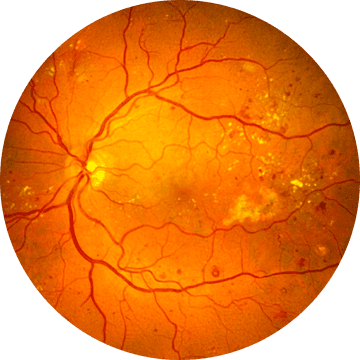
Non-proliferative

Retinal vessels weaken with microaneurysms
or small bleeds.
Even without sudden vision change, macular oedema
can cause rapid decline —
regular follow-up and blood-sugar control
matter above all.
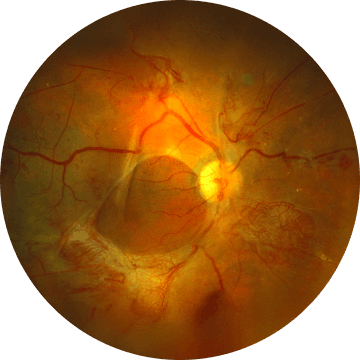
Proliferative (late)
Proliferative

Inadequate blood supply forces
abnormal new vessels to grow — high-risk.
They're fragile and rupture easily,
causing vitreous bleed or retinal detachment
and potential blindness — fast, precise treatment is
required.

Causes of diabetic retinopathy

An unavoidable diabetic complication —
blood-sugar control decides your vision.

Diabetic retinopathy causes

Disease duration

The longer you've had diabetes, the higher the rate
(60-70%+ in patients with diabetes for 15+ years).

Blood-sugar control

Unstable readings accelerate retinal
vessel damage.

Other factors

Hypertension, kidney disease, pregnancy, hyperlipidaemia
are major aggravators of
retinopathy.

Main diabetic retinopathy symptoms

1

Reduced vision

Vision looks foggy and
blurred as if misted.

2

Floaters

Specks like dust or insects
drift through your view.

3

Metamorphopsia

Objects look distorted
or straight lines bent.

4

Flashes

Flash-like sensations
even with eyes closed.

5

Field loss

Part of vision blacks out
— scotoma develops.

Diabetic retinopathy treatment

01·04
STEP 1

Medication & monitoring (early)

In early non-proliferative stages we keep blood sugar and pressure under tight control, with fundus exams every 3-6 months.

STEP 2

Laser (pan-retinal photocoagulation)

Laser coagulates peripheral retina to address oxygen shortage,
suppressing new-vessel growth and lowering bleeding/detachment risk.

STEP 3

Anti-VEGF injections

With macular oedema or to suppress neovascularisation, drugs are injected intra-ocularly to reduce swelling and preserve vision
(Eylea, Lucentis etc).

STEP 4

Vitrectomy (surgical)

If vitreous bleed doesn't clear or tractional detachment occurs, surgery removes the opaque vitreous and proliferative tissue
(mild oedema can be treated with injections).